

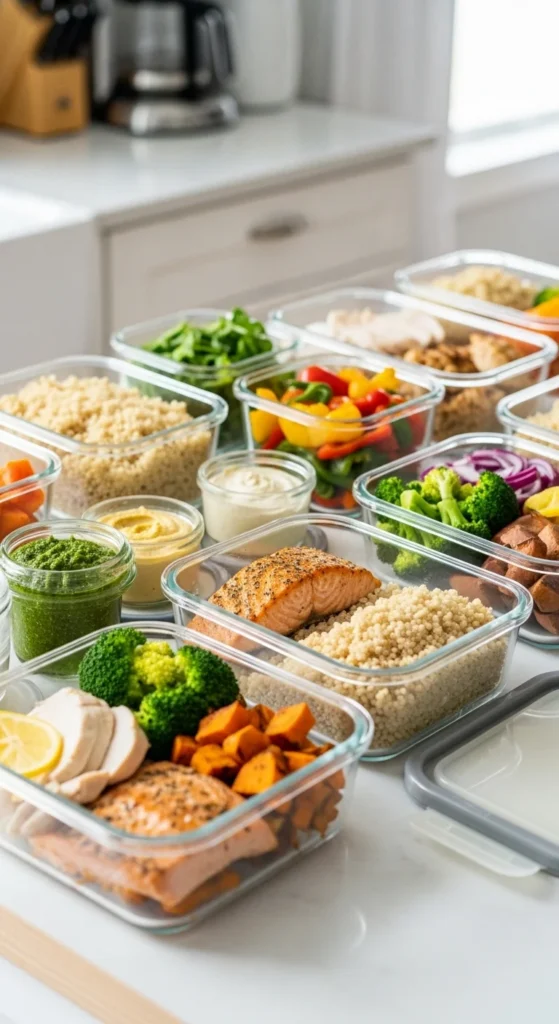
Weekly meal prep works best when it focuses on smart building blocks instead of rigid recipes. Cooking a few flexible components ahead of time removes daily stress and makes healthy meals easier to assemble throughout the week.
These ideas center on batch cooking, freezer-friendly options, and simple prep systems that cut hours from your kitchen routine. With a little planning and a short weekly reset, you can open your fridge to ready-to-use ingredients that turn into fast breakfasts, lunches, and dinners without starting from scratch each day.
1. Batch-Cooked Chicken Thighs for Mix-and-Match Bowls
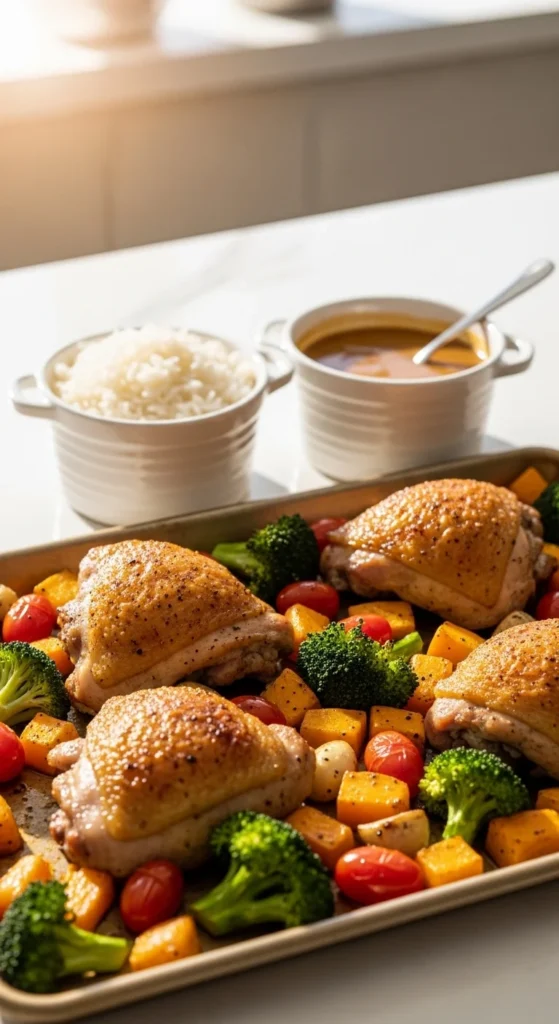
Cooking one large tray of chicken thighs at the start of the week creates a foundation for multiple meals without repeating the same dinner every night. Chicken thighs stay juicy after reheating and absorb different sauces well, which makes them ideal for bowls, wraps, and salads.
Season chicken thighs simply with oil, salt, pepper, and a basic spice blend. Roast until golden and fully cooked. While they bake, cook a large pot of rice or quinoa and roast one or two trays of mixed vegetables like broccoli, carrots, and peppers.
Store chicken, grains, and vegetables in separate containers. Throughout the week, combine them with different sauces such as teriyaki, pesto, or yogurt dressing to create new meals in minutes.
2. Overnight Oats Grab-and-Go Breakfast Jars
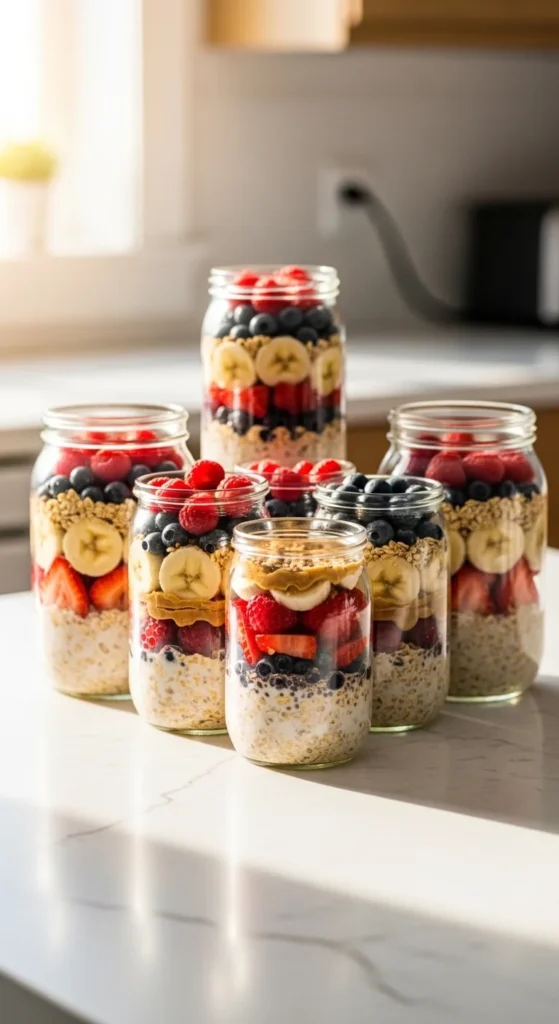
Overnight oats remove all morning cooking and give you a filling breakfast ready as soon as you wake up. Making several jars at once covers breakfast for the entire workweek.
Stir oats, milk or plant milk, yogurt, and a touch of sweetener in a large bowl. Divide into jars and add fruit, nuts, or seeds. Refrigerate overnight.
Jars keep well for up to five days. You can vary flavors by changing fruit, using cocoa powder, or adding peanut butter.
3. Sheet Pan Sausage and Veggie Dinners
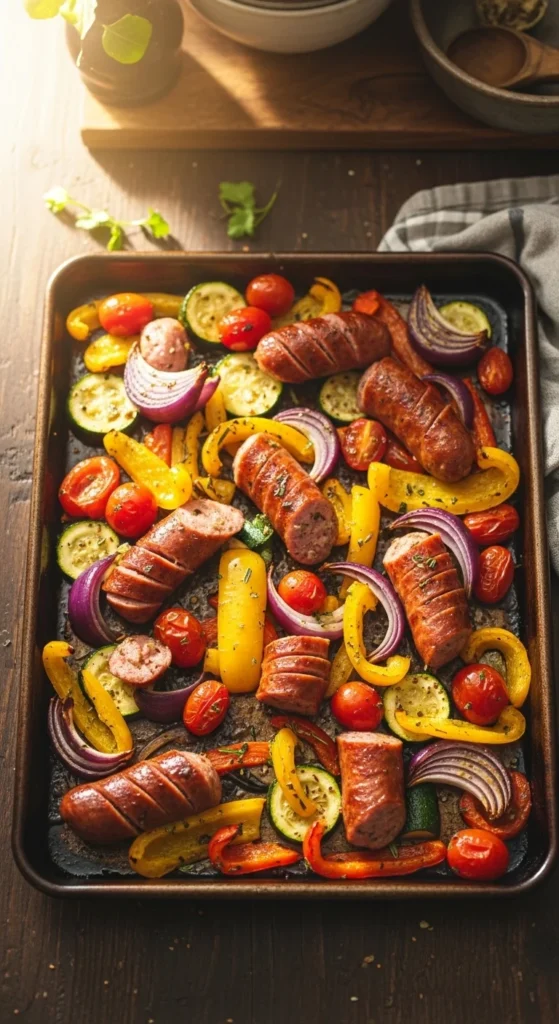
Sheet pan meals allow you to cook protein and vegetables together with almost no cleanup. One pan can produce several dinners at once.
Slice sausage and toss with chopped vegetables, oil, and seasoning. Spread on a pan and roast until browned.
Store in containers and pair with rice, pasta, or bread through the week.
4. Freezer-Friendly Lentil Soup
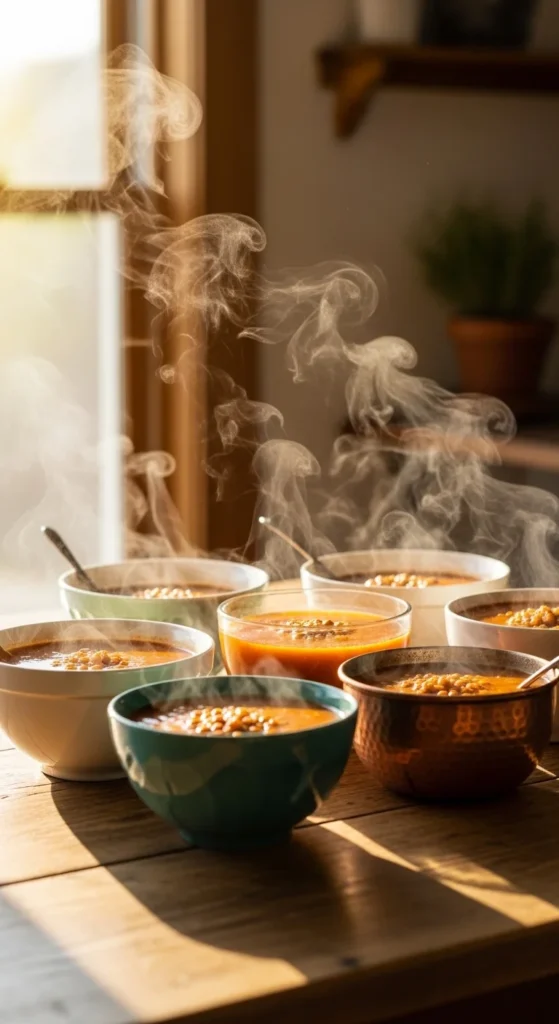
Lentil soup freezes beautifully and provides high protein with low cost. One large pot can cover multiple lunches.
Simmer lentils with onion, garlic, carrots, celery, broth, and spices until tender.
Cool, portion, and freeze. Reheat as needed.
5. Chopped Veggie Starter Kit
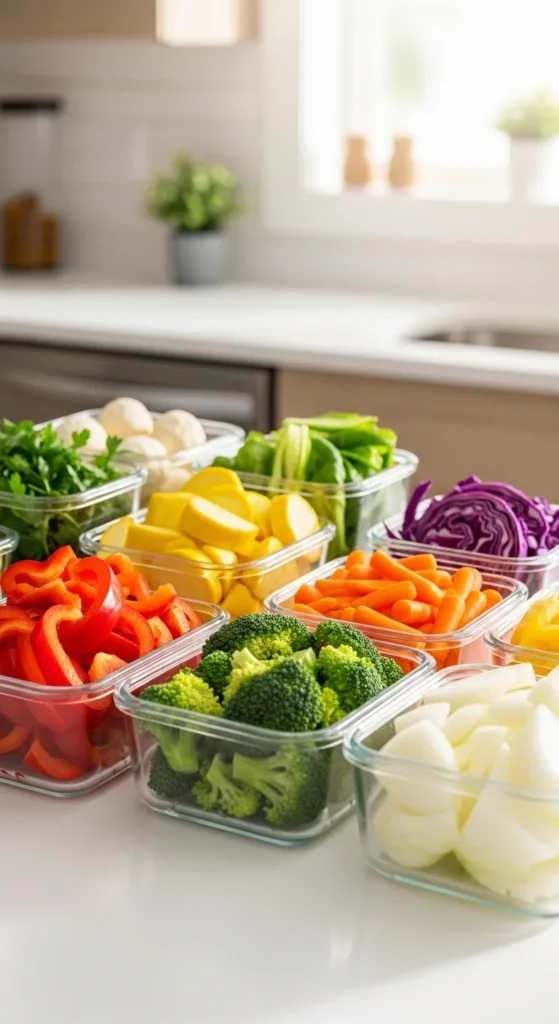
Pre-chopping vegetables saves huge amounts of time during the week. When everything is ready to grab, cooking feels effortless.
Wash, peel, and chop onions, peppers, carrots, broccoli, and greens. Store in airtight containers.
Use for stir-fries, omelets, salads, and soups all week.
6. Egg Muffin Breakfast Cups
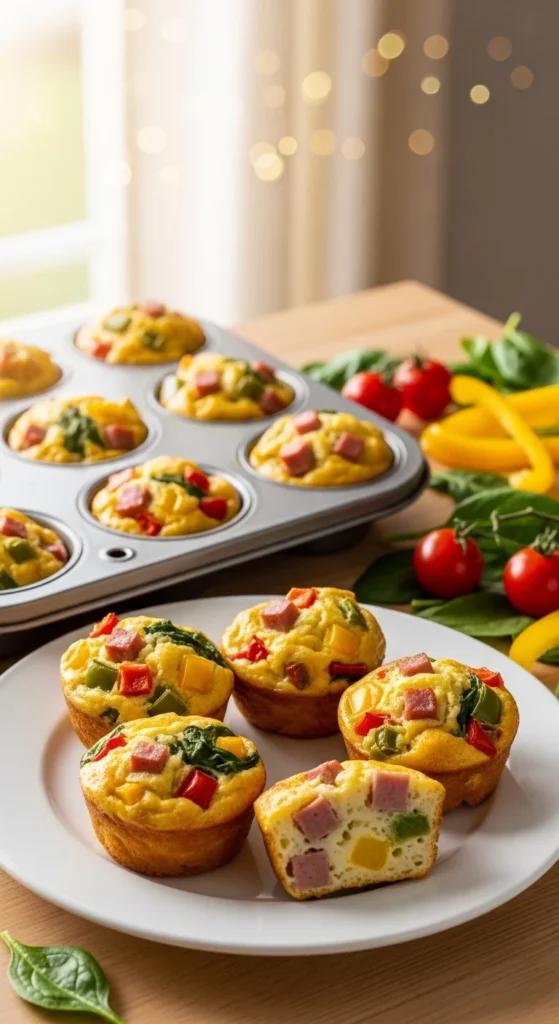
Egg muffins give you a warm, high-protein breakfast without daily cooking. Baking one tray covers several mornings and keeps you from skipping breakfast on busy days.
Whisk eggs with salt, pepper, and a splash of milk. Stir in chopped vegetables, cooked sausage or turkey, and shredded cheese. Pour into a greased muffin tin and bake until set.
Store in the refrigerator and reheat in seconds. Change fillings each week to avoid boredom.
7. Slow Cooker Shredded Taco Chicken
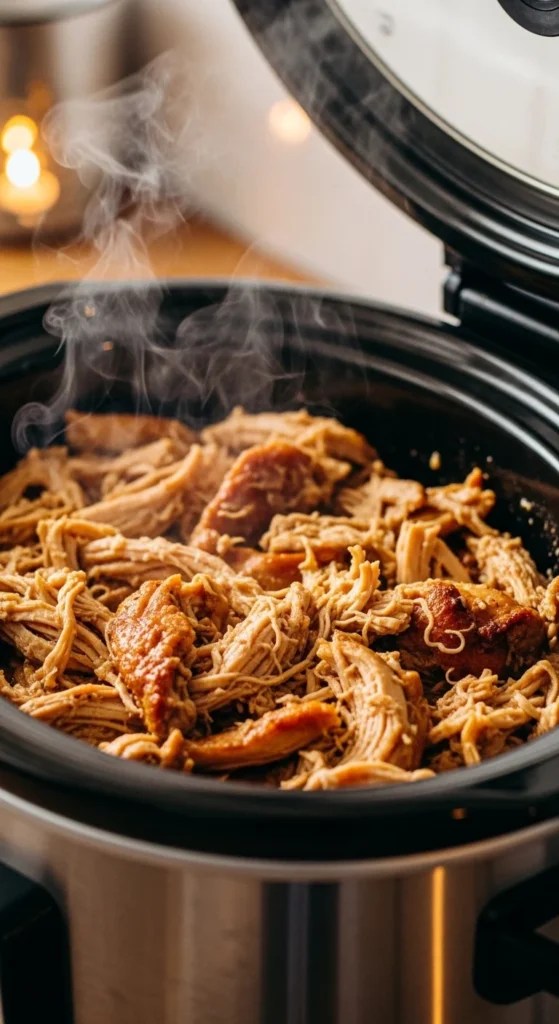
Slow cooker chicken requires minimal hands-on time and creates multiple meals from one prep session. The meat stays tender and flavorful.
Place chicken breasts or thighs in slow cooker with taco seasoning and a jar of salsa. Cook until shreddable, then shred inside the pot.
Use in tacos, bowls, salads, wraps, and quesadillas throughout the week.
8. Quinoa Base for Grain Bowls
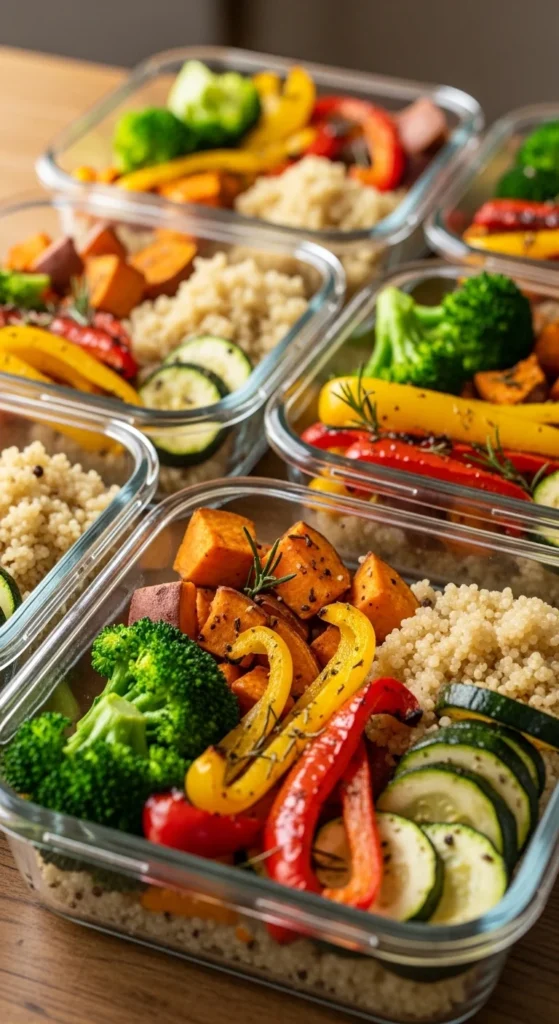
Quinoa is a protein-rich carb that works across many meals. One large batch becomes the backbone for lunches and dinners.
Rinse quinoa and simmer in broth until fluffy. Let cool and portion into containers.
Pair with roasted veggies, chicken, tofu, or beans and finish with different sauces.
9. Salad Jar Lunches
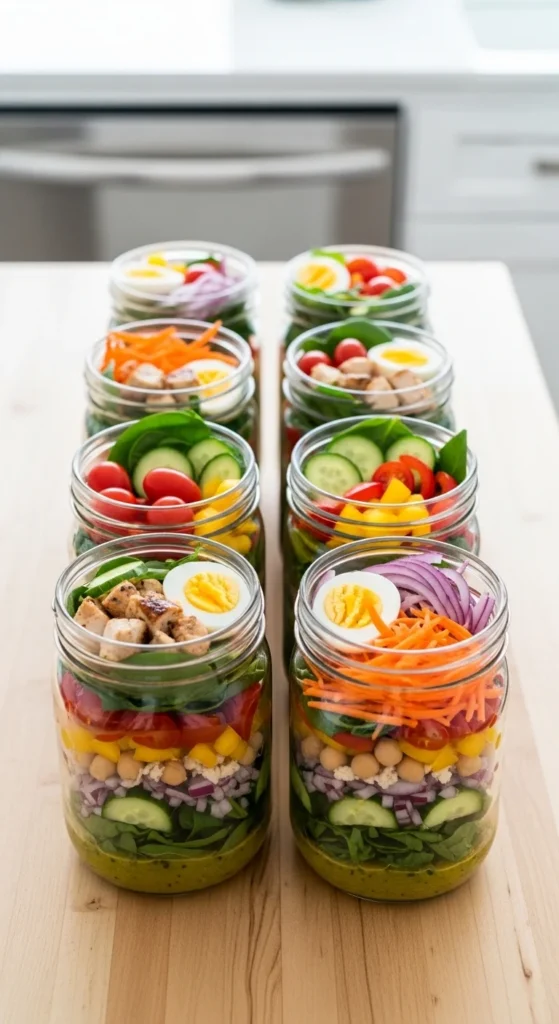
Salad jars prevent soggy lunches and make grab-and-go meals easy. Layering keeps ingredients fresh for days.
Add dressing at the bottom, followed by sturdy vegetables, protein, grains, and greens on top.
Shake before eating. Make several jars at once for the week.
10. Freezer Breakfast Burritos
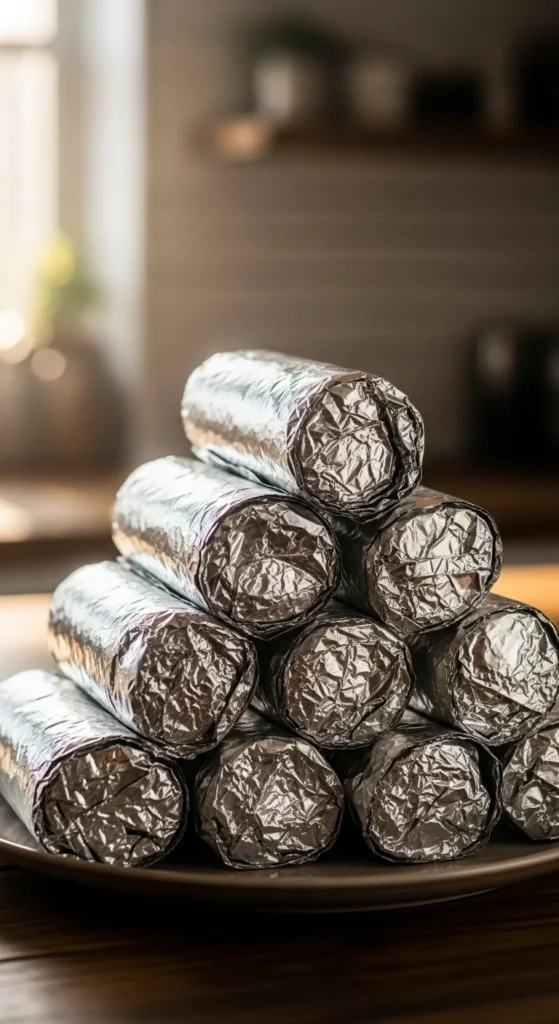
Freezer burritos save mornings and reduce food waste. They provide a hot, filling breakfast with no prep.
Fill tortillas with scrambled eggs, beans, cooked potatoes, and cheese. Wrap tightly and freeze.
Reheat in microwave or oven. Add salsa after heating.
11. Big-Batch Pasta with Two Sauce Options
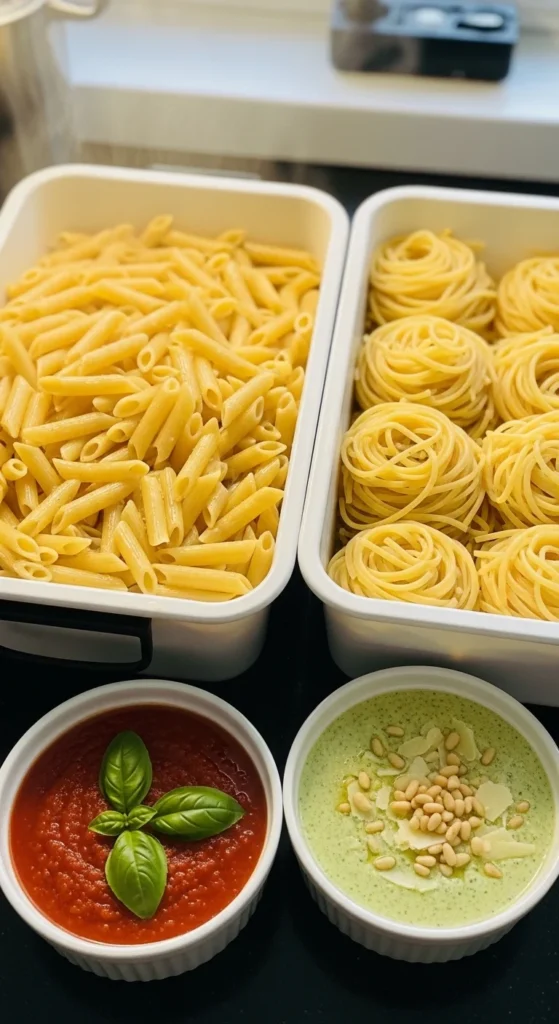
Cooking a large pot of pasta once gives you fast lunches and dinners all week. Pairing it with more than one sauce keeps meals from feeling repetitive while using the same base.
Boil pasta until tender and toss lightly with oil to prevent sticking. Prepare two simple sauces such as marinara and pesto or garlic butter.
Store pasta and sauces separately. Combine as needed and add vegetables or protein.
12. Roast-and-Store Mixed Vegetables
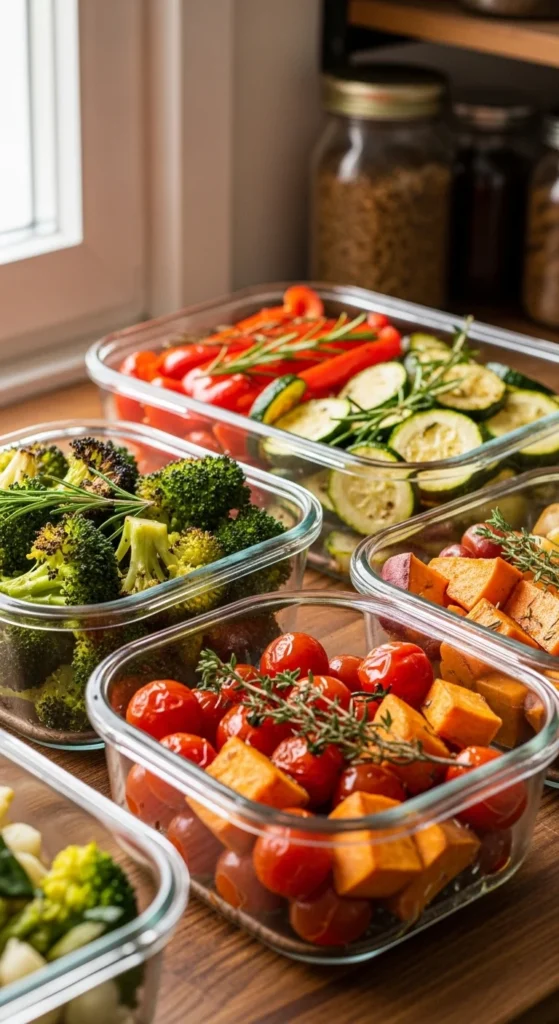
Roasted vegetables add flavor to nearly any meal. Pre-roasting a large batch saves time during the week.
Toss chopped vegetables with oil and seasoning. Roast until tender and lightly browned.
Use in bowls, wraps, eggs, pasta, or salads.
13. Instant Pot Chicken Curry
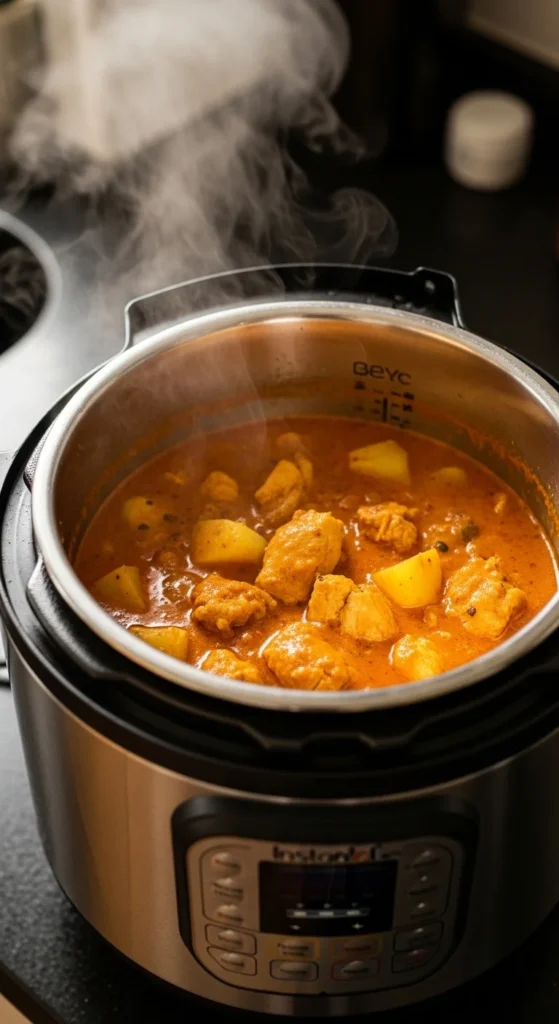
Pressure cooking creates rich flavor with minimal effort. One pot yields several servings.
Add chicken, curry paste, coconut milk, and vegetables to Instant Pot. Cook until tender.
Store and reheat with rice.
14. No-Reheat Snack Boxes
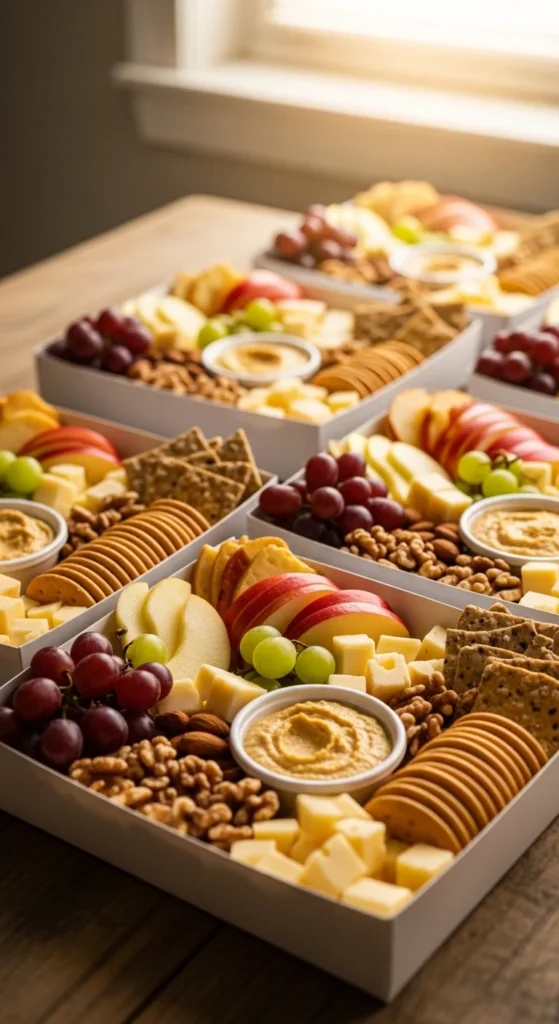
Snack boxes work for lunches when reheating isn’t possible. They provide balanced energy.
Fill containers with protein, fruit, vegetables, and crunchy items.
Rotate items weekly.
15. Theme Night Ingredient Packs
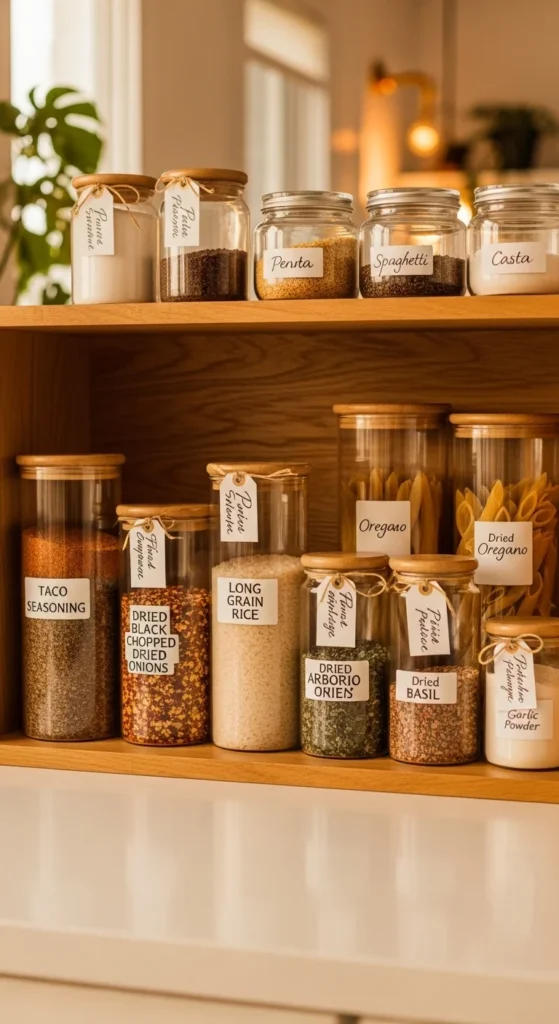
Theme packs reduce planning stress. You prep components once and assemble later.
Group taco fillings in one container, pasta toppings in another.
Dinner becomes simple assembly.
16. Freezer-Friendly Casserole Squares
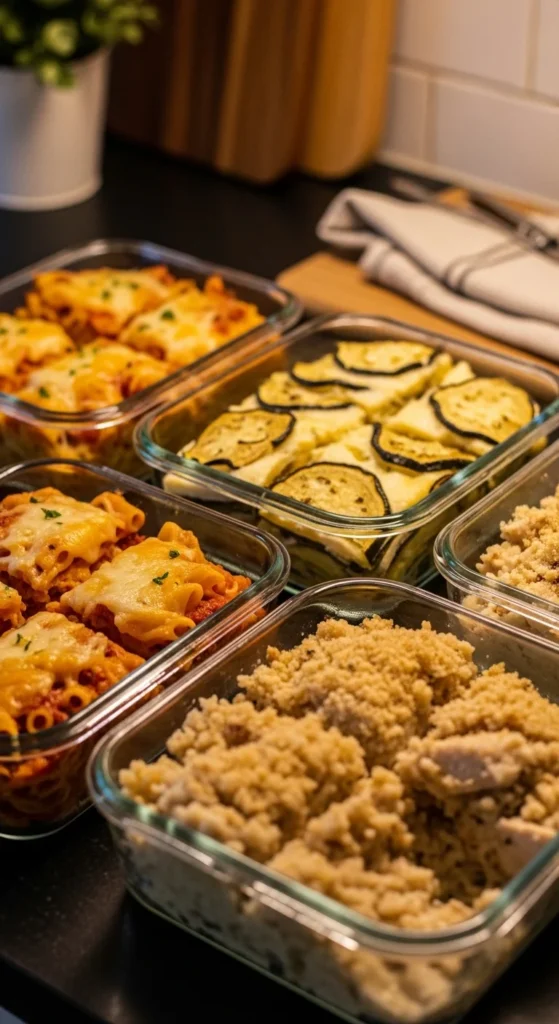
Casseroles are ideal for meal prep because they reheat well and freeze beautifully. One pan can become several dinners and lunches.
Prepare a simple casserole using pasta or rice, vegetables, protein, and sauce. Bake until bubbly.
Cool, slice into portions, and freeze. Reheat as needed.
17. Wrap Filling Station
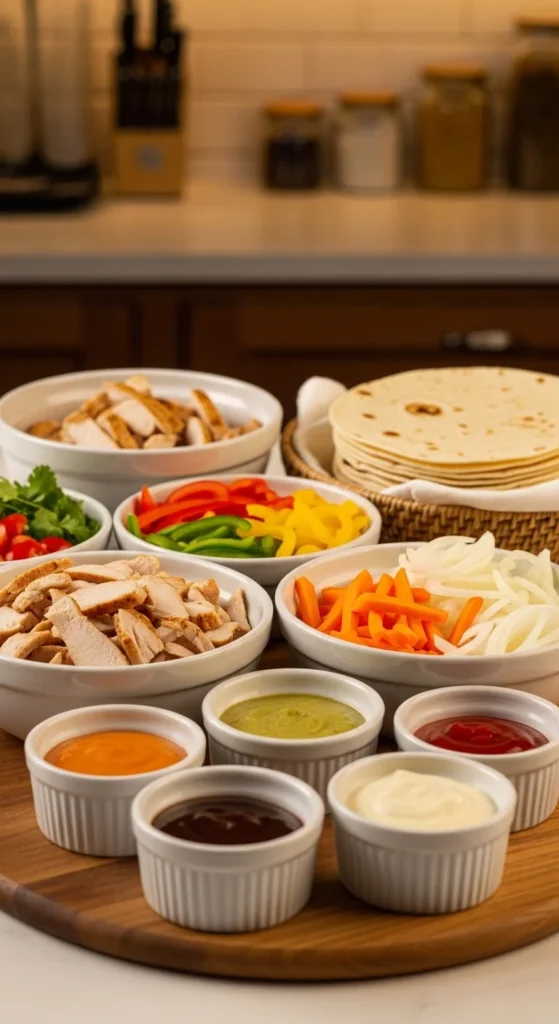
Instead of assembling wraps ahead, prep the fillings so wraps stay fresh. This keeps textures better.
Cook chicken or beans. Chop vegetables. Store sauces separately.
Assemble wraps in minutes.
18. Big Pot of Chili
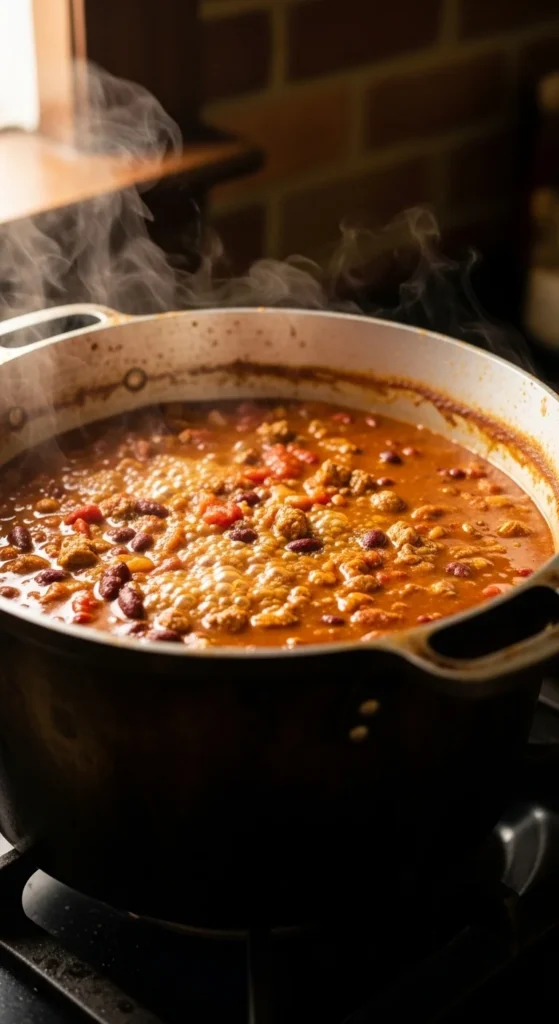
Chili improves in flavor over time. One pot feeds several meals.
Simmer ground meat or beans with tomatoes, onion, and spices.
Freeze portions or refrigerate for week.
19. Protein Pancakes for the Week
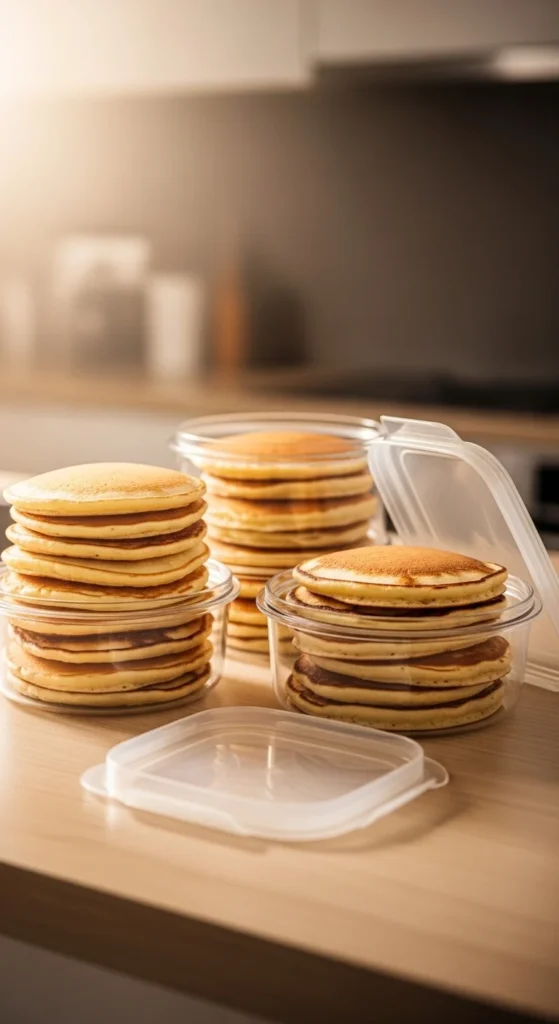
Protein pancakes freeze well and reheat quickly. Great for breakfasts.
Cook large batch and freeze.
Reheat and top as desired.
20. Pre-Portioned Smoothie Packs
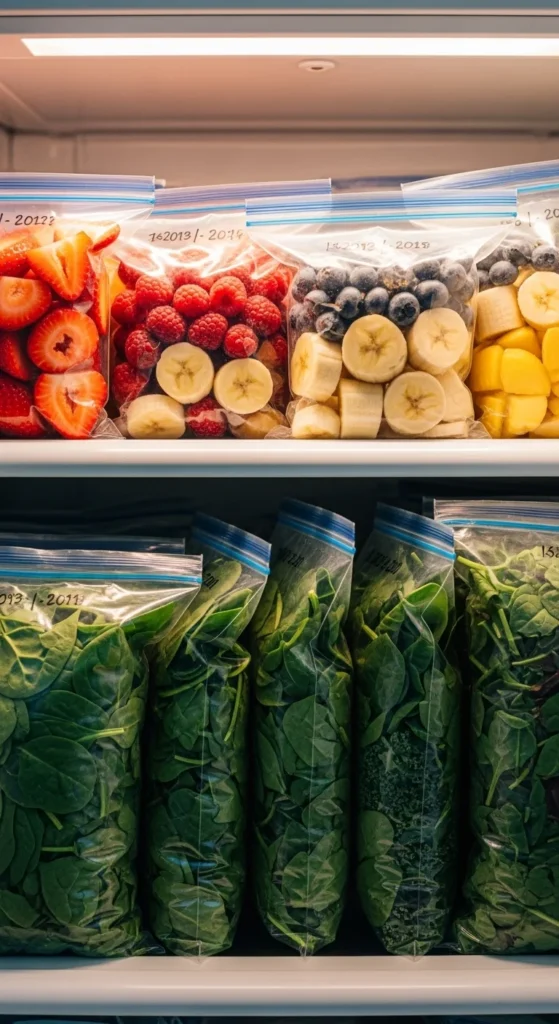
Smoothie packs remove morning chopping.
Fill freezer bags with fruit, greens, and seeds.
Blend with liquid.
21. Two-Dinners-Into-Five-Lunches Roast Chicken Plan
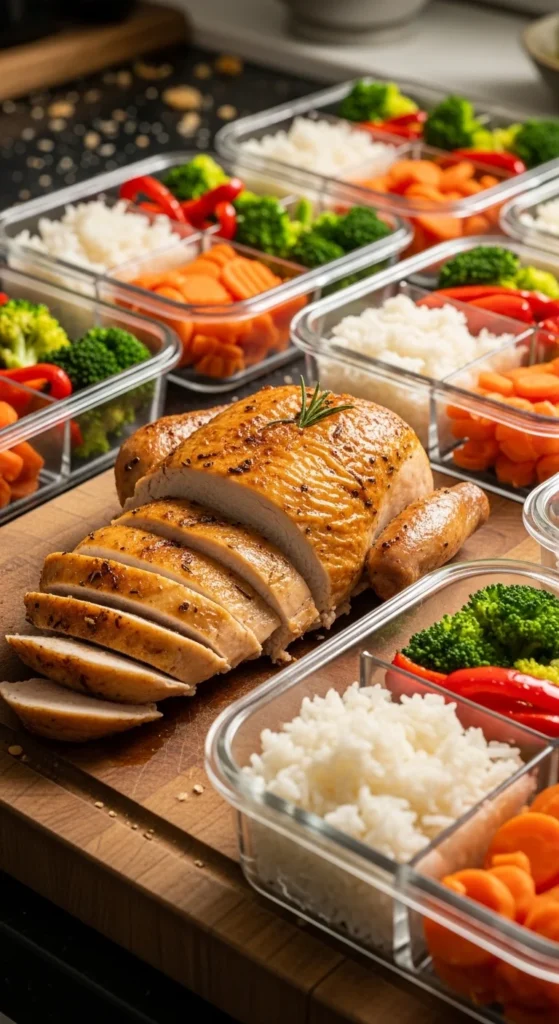
Roasting one whole chicken creates the base for multiple meals without cooking every day. You get dinner the first night, then easy lunches and secondary dinners later in the week.
Roast the chicken simply with oil, salt, pepper, and herbs. Serve part of it for dinner with vegetables. Shred the remaining meat once cooled.
Use shredded chicken in wraps, salads, bowls, or soups. Store in containers and pull out portions as needed.
22. Freezer Soup Starter Blocks
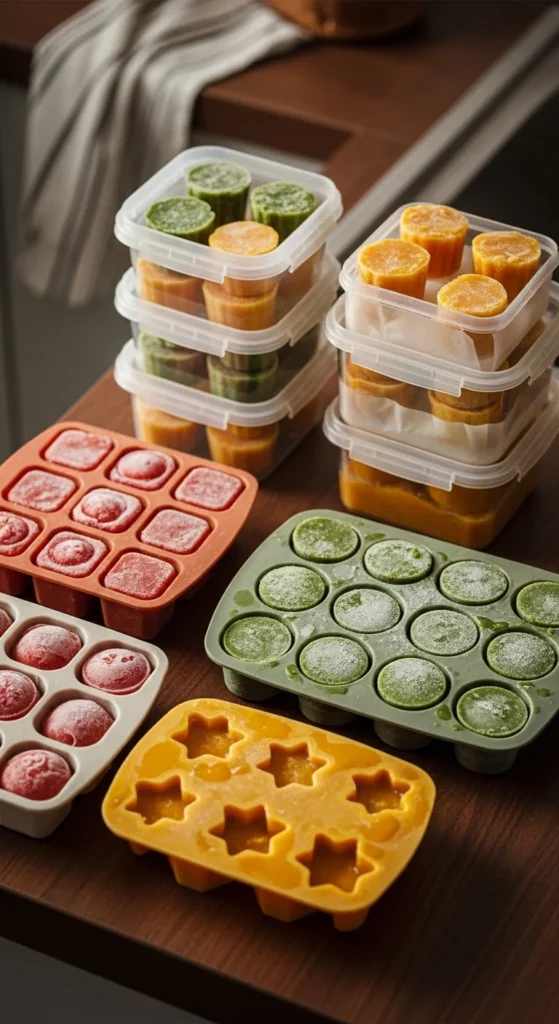
Soup starter blocks make quick homemade soups possible on busy nights. Instead of freezing full bowls, freeze concentrated bases.
Cook a thick soup base with vegetables, beans, or lentils. Cool and freeze in cubes.
Drop cubes into a pot with broth or water to create instant soup.
23. Marinade-and-Freeze Protein Packs
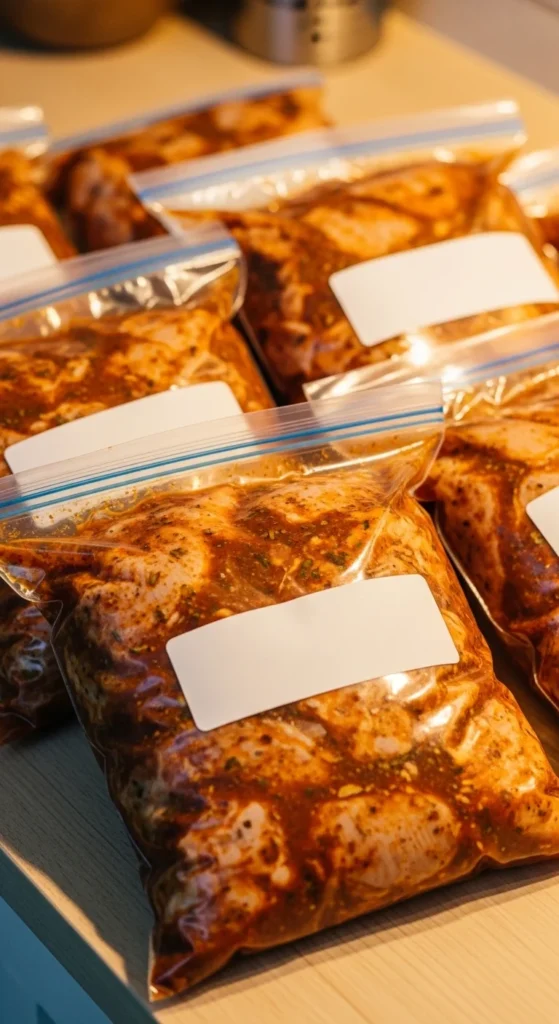
Marinating before freezing saves time and adds flavor.
Place raw chicken, beef, or tofu in freezer bags with marinade. Freeze flat.
Thaw and cook when needed.
24. Cold Noodle Salad Boxes
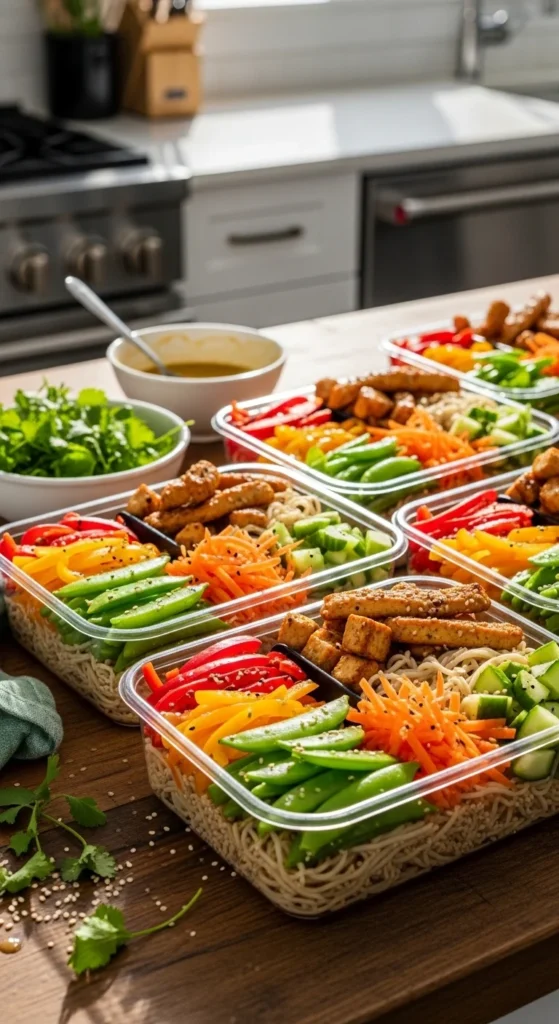
Cold noodle salads work well for lunches without reheating.
Cook noodles, rinse cold, toss with vegetables and dressing. Add protein.
Store in containers.
25. Rice Cooker Combo Packs
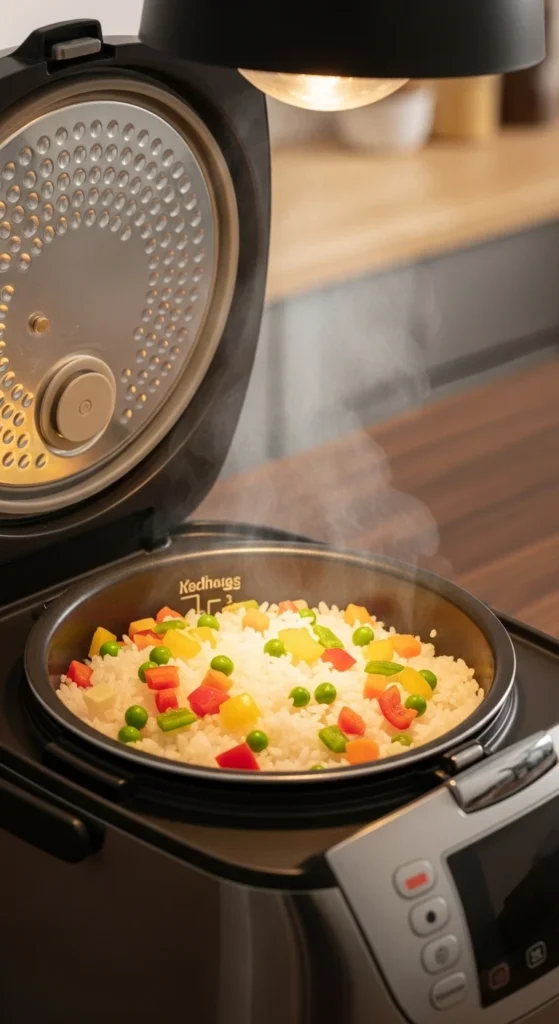
Cooking rice and vegetables together in the rice cooker turns one simple appliance into a full meal-prep tool. Instead of making plain rice and seasoning later, you build flavor directly into the grain while it cooks. This creates a ready-to-use base that works for bowls, stir-fries, and quick side dishes all week long.
Add uncooked rice to the cooker along with broth, frozen or chopped vegetables, and simple seasoning like garlic powder, onion powder, and salt. You can also stir in canned beans or lentils for extra protein. Set the cooker and walk away while everything cooks together.
Once finished, fluff and divide into containers. Use throughout the week as a base for chicken, tofu, eggs, or roasted vegetables. You can also reheat portions and wrap them in tortillas for fast burrito-style meals.
26. Rotating Sauce Trio
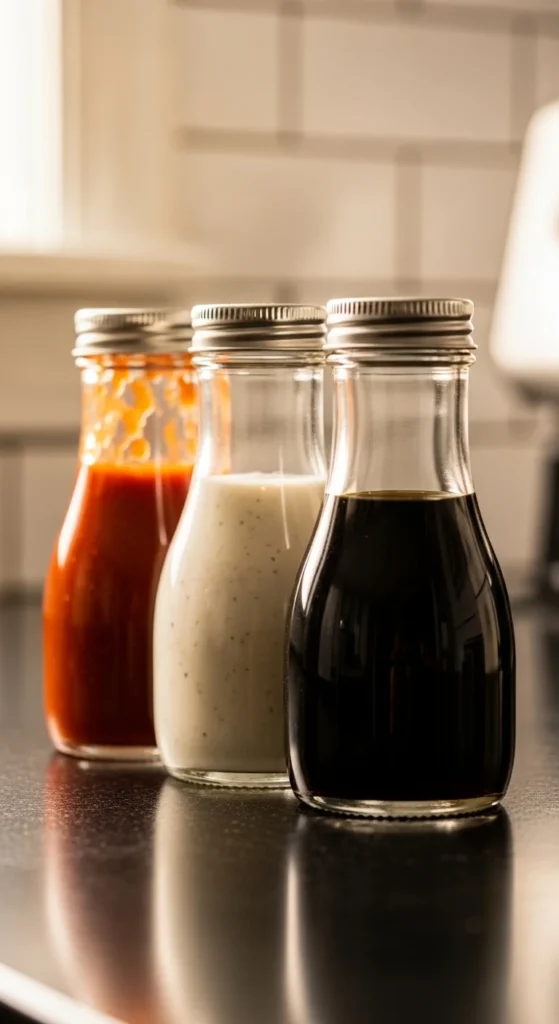
Sauces are one of the easiest ways to prevent meal prep boredom. When your proteins, grains, and vegetables stay simple, sauces provide variety without extra cooking. A small set of three sauces can turn the same ingredients into completely different meals.
Choose three easy sauces such as teriyaki, yogurt garlic sauce, and pesto. Make each in a small batch and store in sealed containers. None of these require cooking and take only minutes to mix together.
Drizzle different sauces over bowls, wraps, salads, or roasted vegetables. Rotate them through the week so meals feel new even though the base ingredients stay the same.
27. Sunday Two-Hour Reset Routine
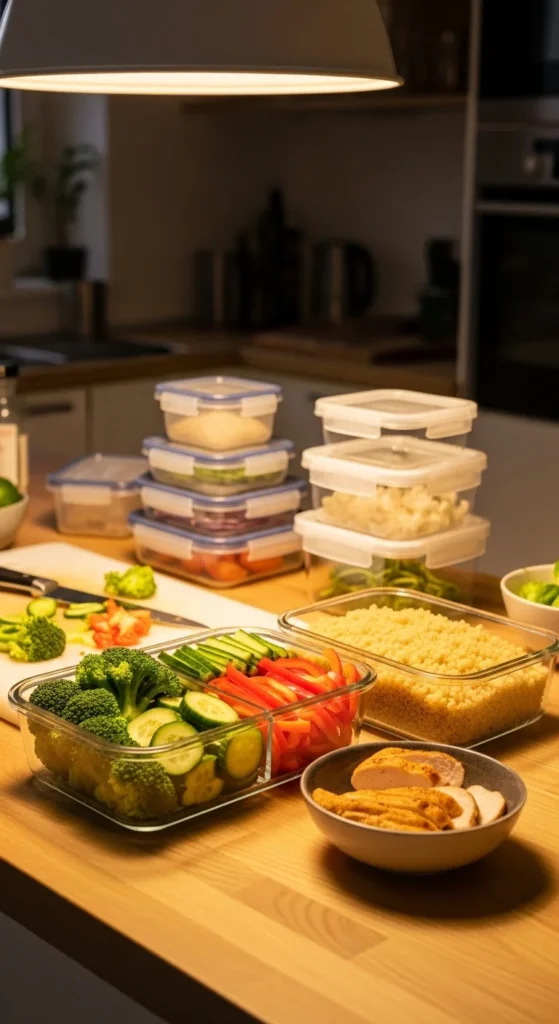
A short weekly reset creates structure and removes decision fatigue. Instead of prepping every recipe, you prepare building blocks that make daily cooking fast and predictable.
Spend the first 30 minutes chopping vegetables and washing produce. Next, cook one protein, one grain, and one large batch of vegetables. Use the remaining time to assemble a few breakfasts or sauces.
Label containers and store everything where it’s easy to see. When the week starts, meals come together in minutes because the hard work is already done.
Conclusion
Smart meal prep does not mean cooking every recipe ahead of time. It means preparing flexible building blocks that work across many meals. With a few strategic batches, freezer-friendly options, and organized components, you can cut hours from your weekly cooking routine while still eating well.

Leave a Reply