

If you really want to elevate your cooking — without spending hours in the kitchen — homemade sauces are the secret weapon you’ve been missing. A good sauce instantly transforms simple ingredients into something bold, flavorful, and restaurant-worthy. The best part? Most sauces are incredibly easy to whip up with just a few pantry staples.
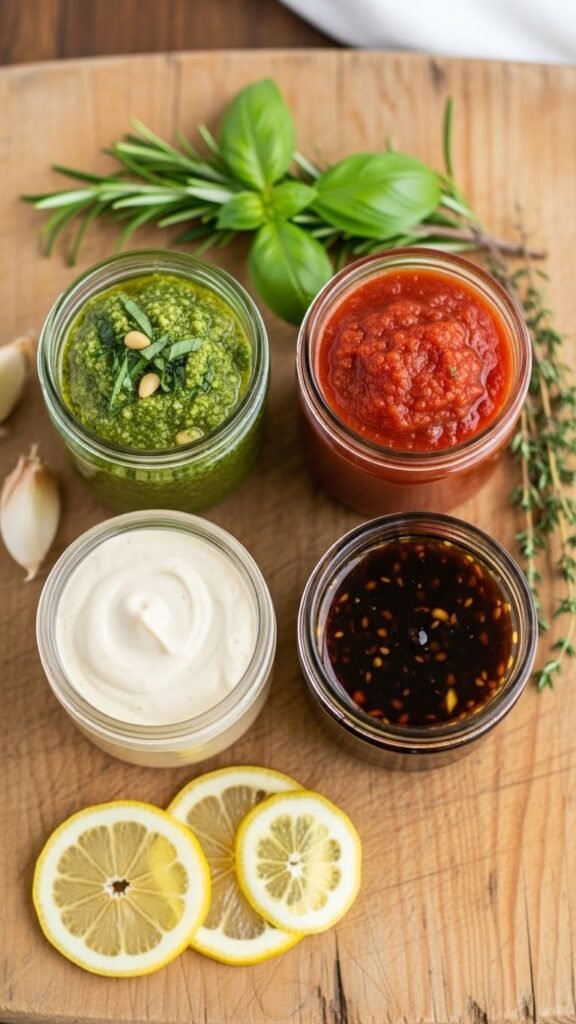
Whether you’re dressing salads, drizzling over chicken, tossing with pasta, or dipping veggies, homemade sauces can upgrade any meal in seconds. Let’s walk through the basics of building delicious sauces at home.
Start With Essential Pantry Ingredients
Great sauces don’t require fancy ingredients. In fact, most of the magic comes from everyday staples you likely already have in your kitchen.
Must-have basics:
- Olive oil or neutral oils
- Garlic
- Lemon juice or vinegar
- Fresh or dried herbs
- Honey or sugar
- Salt and pepper
- Butter
- Broth or stock
With these, you can make dozens of different sauces — from creamy to tangy to spicy.
[Image Prompt] A kitchen counter setup featuring olive oil, garlic cloves, lemons, herbs, and spices arranged neatly in small bowls.
Master a Few Simple Sauce Techniques
Once you learn the core techniques, you can create endless variations. Here are the three foundational methods:
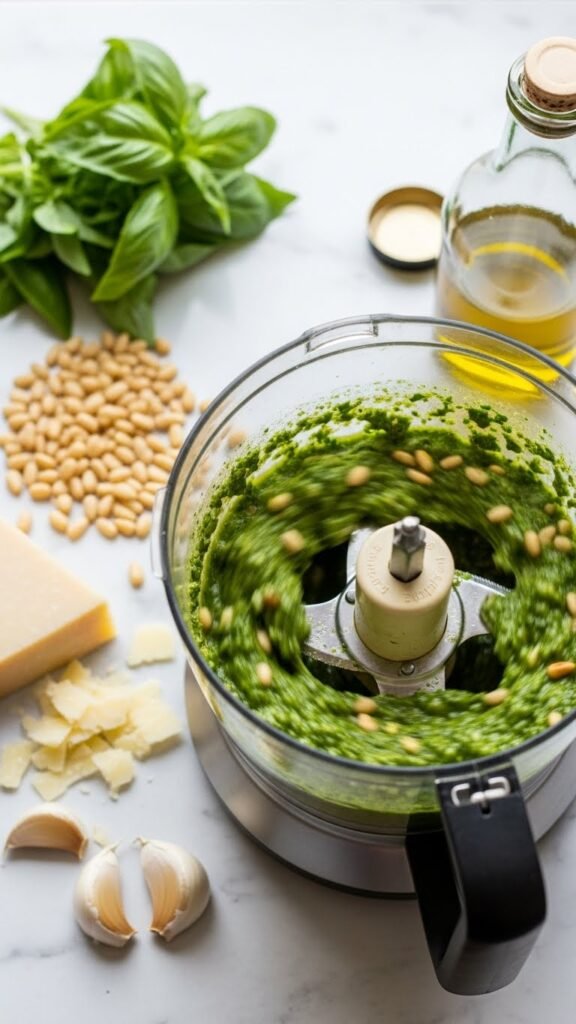
1. Blended Sauces (Pesto, Chimichurri, Tahini)
Blended sauces are quick, fresh, and absolutely bursting with flavor.
How to make one:
- Add your base (herbs, nuts, seeds, or greens).
- Blend with oil.
- Add acid like lemon juice.
- Season to taste.
Example:
A classic pesto uses basil, Parmesan, garlic, pine nuts, olive oil, and salt — but you can swap basil for spinach, pine nuts for almonds, or add lemon for brightness.
2. Simmered Sauces (Tomato Sauce, Gravies, Reductions)
Simmering allows flavors to develop deeply and naturally.
How to make one:
- Start with aromatics like onion and garlic.
- Add liquid (tomatoes, broth, wine, or cream).
- Season and simmer until thickened.
Example:
A simple tomato sauce made with crushed tomatoes, garlic, basil, and olive oil tastes far more vibrant than anything from a jar.
3. Creamy Sauces (Alfredo, Cheese Sauces, Aïoli)
These sauces bring richness and comfort to any dish.
How to make one:
- Melt butter or warm oil.
- Add flour or a thickener (optional).
- Slowly whisk in milk, cream, or broth.
- Add flavorings like cheese, garlic, or spices.
Example:
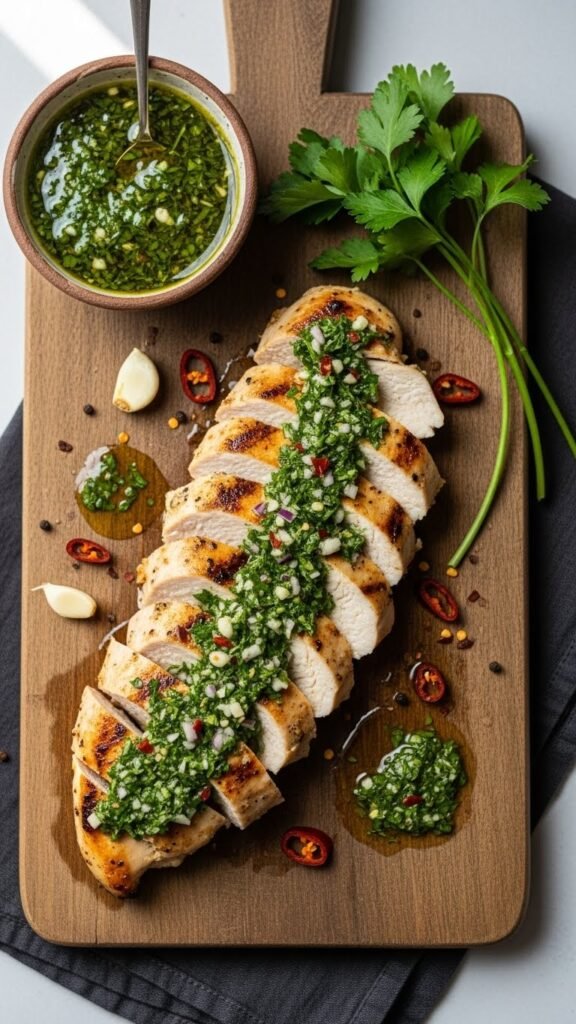
A quick garlic cream sauce over sautéed chicken can turn weeknight dinner into something special.
Flavor Boosters That Make Sauces Irresistible
A great sauce has layers of flavor — sweet, salty, spicy, tangy, or smoky. Here are some easy ways to upgrade yours:
Add acidity
A splash of:
- Lemon juice
- Vinegar
- Wine
Brightens everything.
Use fresh herbs
Parsley, cilantro, dill, basil, thyme — they bring sauces to life.
Don’t underestimate garlic
Raw garlic gives sharp flavor.
Roasted garlic gives sweet, mellow depth.
Experiment with spices
- Smoked paprika
- Cumin
- Chili flakes
- Curry powder
- Turmeric
Balance the flavors
If a sauce tastes “off,” try adjusting:
- Salt
- Acid
- Sweetness
- Fat
A tiny tweak often fixes everything.
Try These Easy, Game-Changing Homemade Sauces
Here are a few beginner-friendly sauces that never disappoint:
1. Lemon Herb Aïoli
Perfect on roasted veggies, sandwiches, or seafood.
You’ll need: mayo, lemon juice, garlic, dill or parsley, salt, pepper.
2. Honey Soy Glaze
Great for stir-fries or salmon.
You’ll need: soy sauce, honey, garlic, ginger, and sesame oil.
3. Classic Basil Pesto
Delicious on pasta, chicken, or sandwiches.
You’ll need: basil, garlic, Parmesan, olive oil, nuts, salt.
Store Your Sauces the Right Way
Homemade sauces can last all week and make meal prep so much easier.
Refrigeration tips:
- Store in airtight jars.
- Most sauces last 5–7 days.
- Pesto stays greener with a thin layer of olive oil on top.
Freezing tips:
- Freeze sauces like pesto, tomato sauce, and broth-based sauces in small containers or ice cube trays.
- Thaw as needed for quick meals.
Final Takeaway
Homemade sauces are one of the simplest ways to upgrade your everyday cooking. With just a few ingredients and foundational techniques, you can create endless flavorful combinations that make every dish taste better.
Save this guide for later and start experimenting with your own delicious sauces at home!

Leave a Reply