

A great broth is the quiet hero of the kitchen. You may not always notice it, but when it’s missing, something feels flat. Broth is what turns simple soups into comfort food, plain rice into something crave-worthy, and sauces into restaurant-level dishes. The best part? Making your own broth is easier than you think—and far more flavorful than store-bought.
Once you learn how to build broth properly, you’ll start using it everywhere.
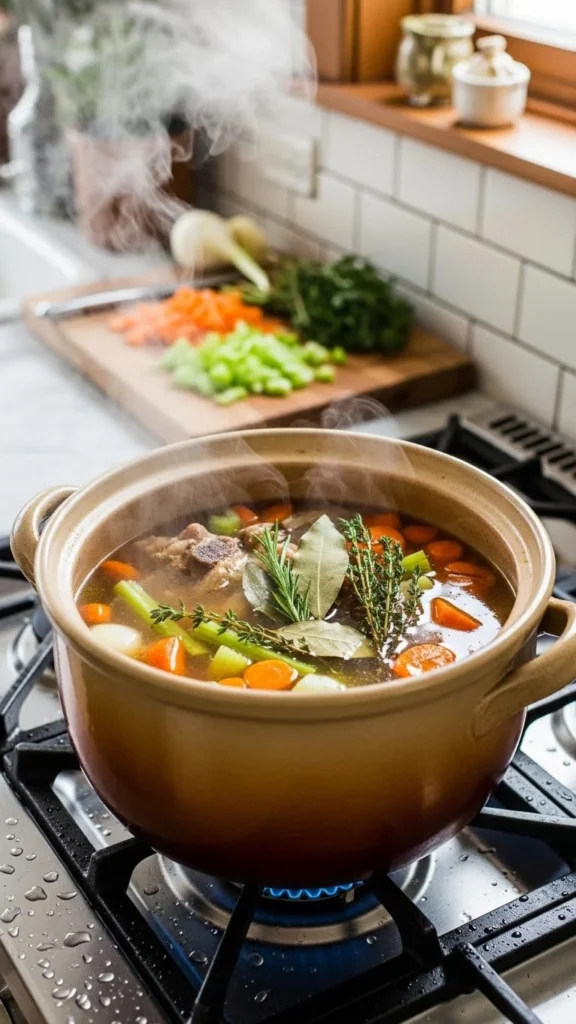
Why Homemade Broth Makes Such a Big Difference
Store-bought broths are convenient, but they’re often:
- Overly salty
- One-dimensional in flavor
- Lacking richness and aroma
Homemade broth, on the other hand:
- Has deeper flavor
- Can be customized to your recipes
- Uses kitchen scraps efficiently
- Elevates even the simplest meals
Broth isn’t just soup—it’s a foundation.
Understand the Building Blocks of a Great Broth
Every flavorful broth relies on the same basic elements. Once you understand these, you can improvise with confidence.
The Core Components
- Water: Clean, cold water extracts flavor slowly and evenly
- Aromatic vegetables: onion, garlic, carrot, celery
- Flavor boosters: herbs, spices, bay leaves
- Umami base: bones, mushrooms, roasted vegetables, or seaweed
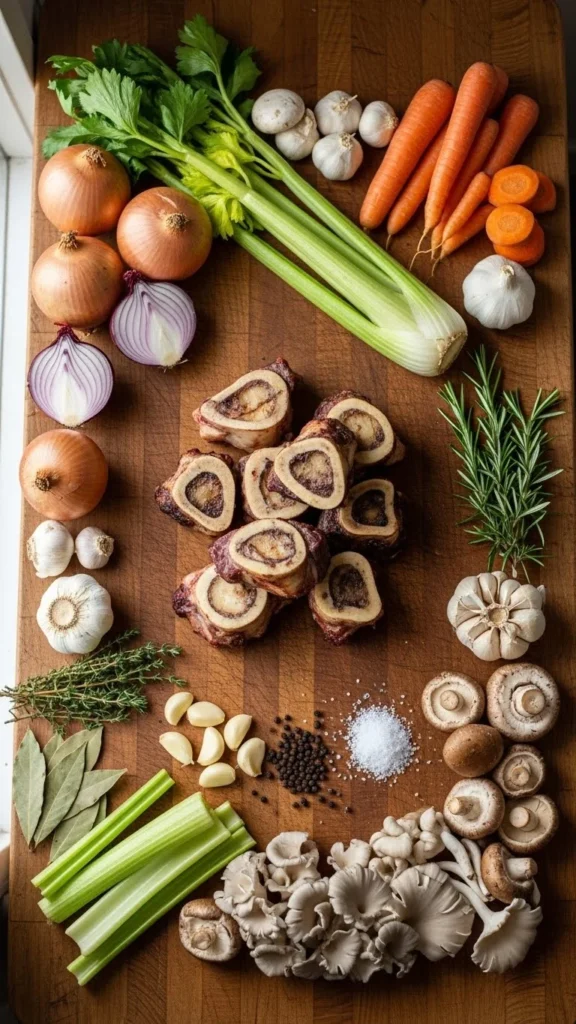
The magic comes from how these ingredients work together—not from fancy extras.
Choose the Right Type of Broth
Different dishes need different broths. Pick the base that matches your cooking style.
Common Broth Types
- Vegetable broth: light, versatile, perfect for grains and soups
- Chicken broth: rich but balanced, great for most savory recipes
- Beef broth: deep and bold, ideal for stews and sauces
- Mushroom broth: earthy and umami-packed, excellent for vegetarian dishes
There’s no “best” option—only the right one for the recipe.
How to Build Flavor Step by Step
Broth isn’t about rushing. Slow simmering is where the depth comes from.
Step 1: Prep and Layer
- Roughly chop vegetables (no need for perfection)
- Optional: roast bones or vegetables first for deeper flavor
- Add everything to a large pot
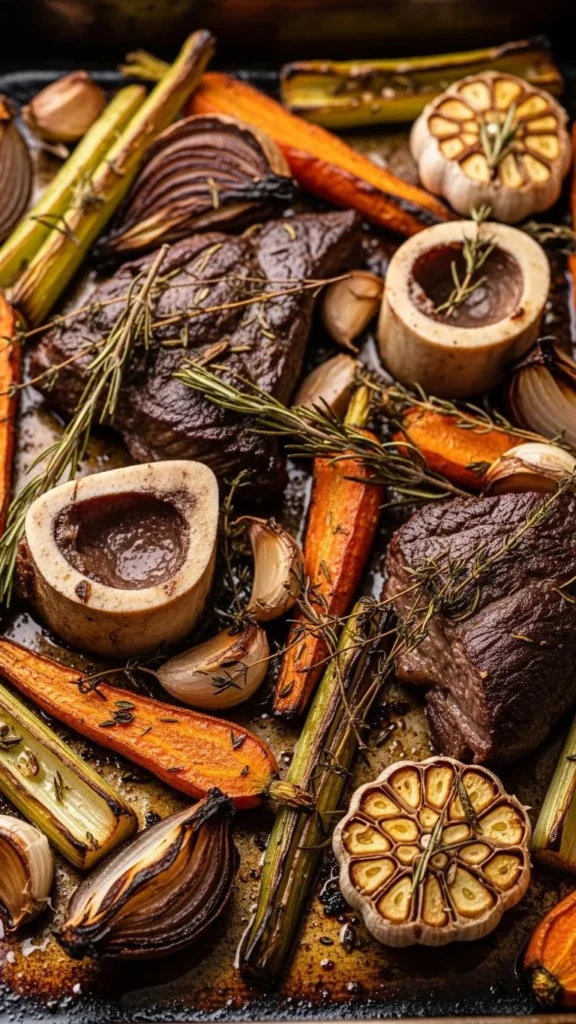
Step 2: Add Cold Water
Cover ingredients with cold water. This helps draw out flavor gradually.
Step 3: Simmer Gently
- Bring to a light boil
- Reduce to a gentle simmer
- Simmer uncovered
Simmer times:
- Vegetable broth: 45–60 minutes
- Chicken broth: 2–3 hours
- Beef broth: 4–6 hours
Avoid boiling aggressively—it makes broth cloudy and bitter.
Season Smartly (Not Heavily)
One common mistake is oversalting broth. Remember: broth is often reduced or added to other dishes.
Better Seasoning Strategy
- Use herbs, garlic, peppercorns, and bay leaves
- Add salt lightly—or not at all
- Adjust salt later when cooking the final dish
This keeps your broth flexible.
Strain and Store Like a Pro
Once your broth smells rich and tastes balanced, it’s time to finish it.
Final Steps
- Strain through a fine mesh sieve
- Let cool slightly
- Store in airtight containers
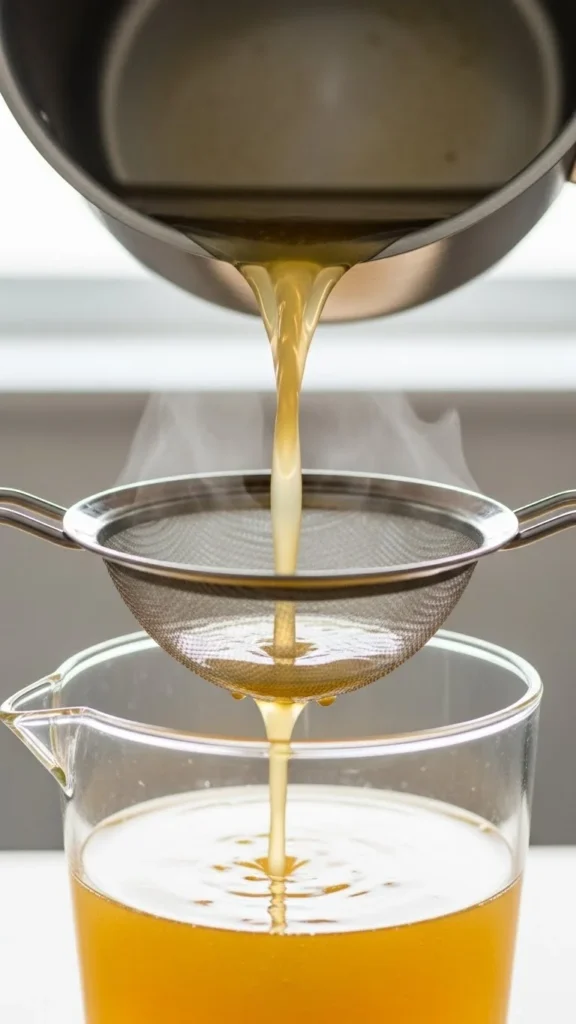
Storage Tips
- Refrigerator: up to 5 days
- Freezer: up to 3 months
- Freeze in small portions for easy use
Ice cube trays work great for sauces and quick flavor boosts.
Simple Ways to Use Broth Every Day
Broth isn’t just for soup—use it everywhere.
Easy Flavor Upgrades
- Cook rice, quinoa, or pasta in broth
- Add to stir-fries instead of water
- Use as a base for sauces and gravies
- Deglaze pans for extra flavor
- Add to mashed potatoes or beans
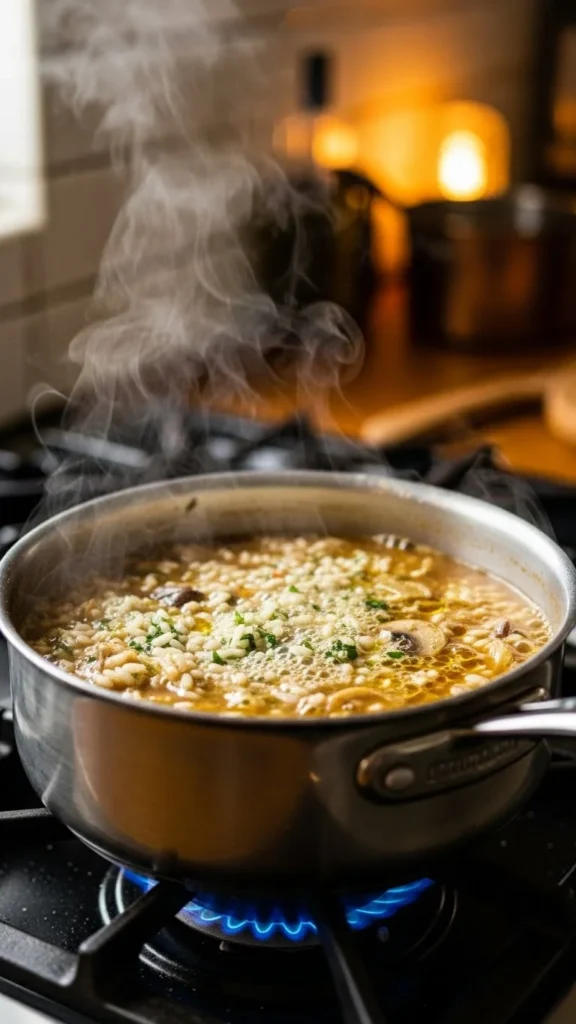
Once you start using broth this way, plain water will feel boring.
Common Broth Mistakes to Avoid
Even simple broths can go wrong if you’re not careful.
Avoid these pitfalls:
- Boiling too hard
- Adding too many competing flavors
- Oversalting early
- Using old or bitter vegetable scraps
- Cooking vegetable broth too long (it can turn bitter)
Keep it simple and intentional.
Make Broth Part of Your Weekly Routine
The easiest way to keep broth on hand is to make it a habit.
- Save vegetable scraps in the freezer
- Make broth once a week
- Freeze what you don’t need
This turns waste into flavor—and saves money too.
Final Takeaway
Broth is one of the most powerful tools in home cooking. When made with care, it adds richness, warmth, and depth to nearly any recipe. You don’t need special skills—just good ingredients, time, and a gentle simmer.
Once you start making your own broths, you’ll taste the difference in everything you cook.
Save this guide for later and start building flavor from the base up.

Leave a Reply