

Healthy dinners often get a bad reputation for being bland, boring, or unsatisfying. But here’s the truth: food can be nourishing and deeply delicious at the same time. Rich flavor doesn’t come from excess butter or heavy cream — it comes from smart techniques, balanced ingredients, and knowing how to build taste layer by layer.
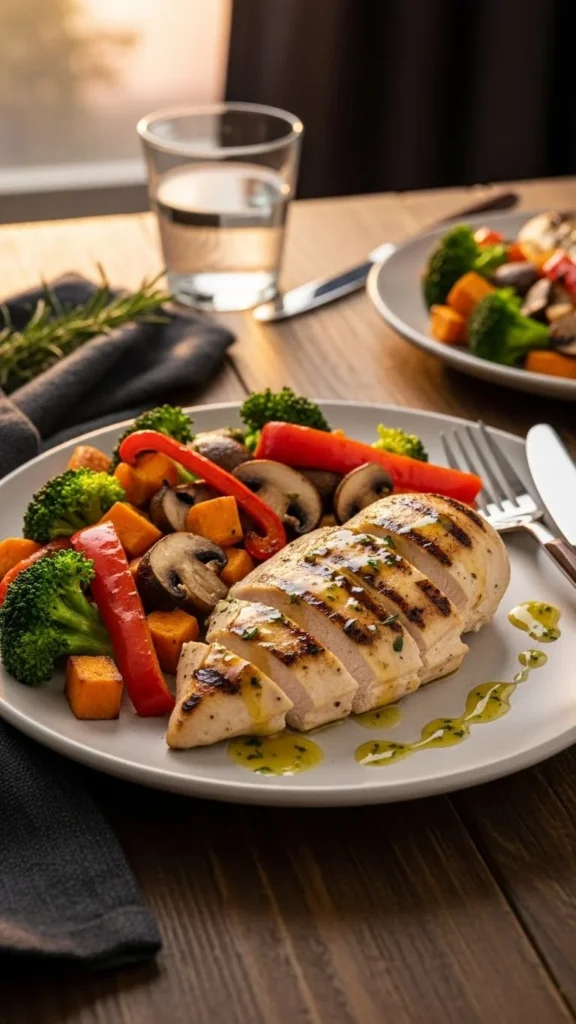
If you want dinners that feel comforting and indulgent without undoing your health goals, this guide will show you exactly how to do it — no deprivation required.
Rethink What “Rich” Really Means
Rich flavor isn’t about heaviness. It’s about depth.
Healthy food tastes rich when it has:
- Contrast (salty, sweet, acidic, savory)
- Proper seasoning
- Good texture
- A satisfying finish
Once you stop relying on cream and butter for flavor, you’ll start discovering how vibrant healthy cooking can be.
Build Flavor From the Start With Aromatics
Great dinners begin before the main ingredients hit the pan.
Aromatics create a strong foundation:
- Onion, garlic, shallots
- Ginger, chili, scallions
- Fresh or dried herbs
Cook them slowly in olive oil until fragrant. This step releases natural sweetness and creates complexity that makes food taste luxurious without extra calories.
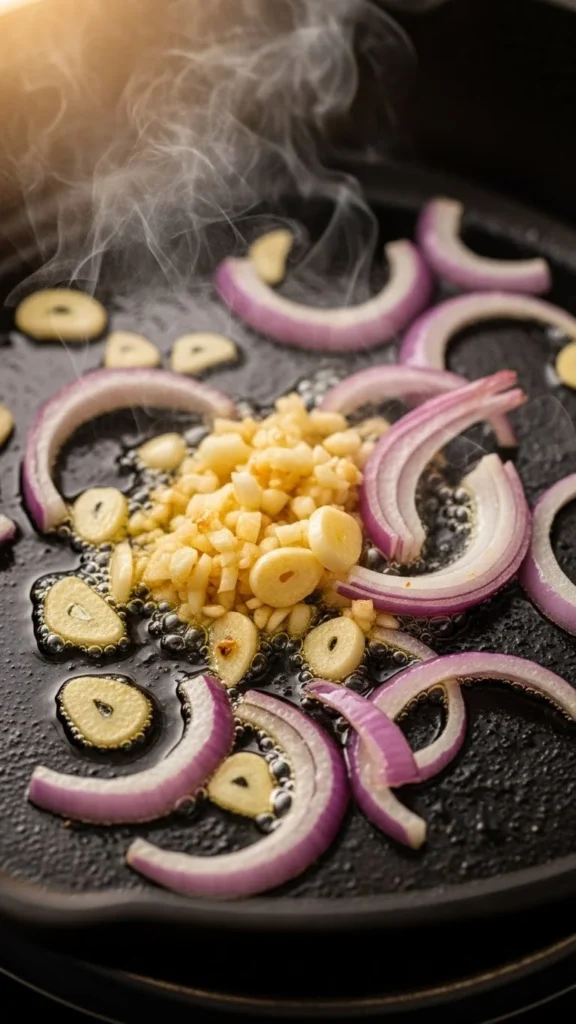
Never rush this step — it’s where flavor begins.
Use Healthy Fats Strategically (Not Excessively)
You don’t need to eliminate fat — you just need to use it wisely.
Healthier fat choices:
- Olive oil
- Avocado oil
- Nuts and seeds
- Yogurt or tahini (in moderation)
Instead of drowning food in oil, focus on finishing fats. A drizzle at the end adds richness where it matters most.
Examples:
- Olive oil over roasted vegetables
- Yogurt sauce on grilled protein
- Nut-based dressing on grain bowls
A little fat, used intentionally, goes a long way.
Season Properly at Every Stage
Under-seasoning is the number one reason healthy food tastes dull.
Tips for better seasoning:
- Salt lightly throughout cooking, not just at the end
- Taste as you go
- Balance salt with acid (lemon, vinegar)
Acid is especially important. It brightens flavors and mimics richness without adding heaviness.

One squeeze of lemon can transform an entire dish.
Choose Cooking Methods That Add Depth
How you cook matters as much as what you cook.
Flavor-boosting methods:
- Roasting (caramelizes vegetables)
- Grilling (adds smokiness)
- Searing (creates golden crusts)
- Slow simmering (deepens sauces)
Steaming has its place — but for rich-tasting dinners, dry heat and browning are your best friends.
Roasted vegetables, for example, taste dramatically richer than boiled ones with zero extra calories.
Make Simple Sauces Instead of Heavy Ones
Sauce is where healthy dinners can truly shine.
Light but flavorful sauce ideas:
- Greek yogurt + garlic + lemon
- Tahini + water + salt + citrus
- Blended roasted vegetables
- Tomato-based reductions
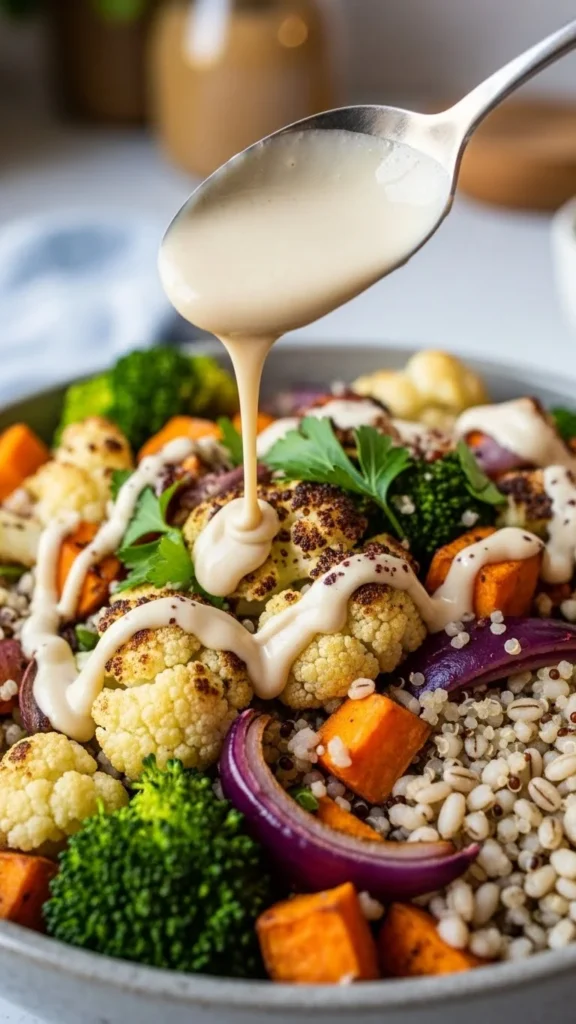
These sauces add creaminess, moisture, and satisfaction without overwhelming the dish.
Focus on Texture for Satisfaction
Texture makes healthy food feel filling and indulgent.
Aim for:
- Creamy + crunchy
- Soft + crisp
- Warm + fresh
Examples:
- Roasted sweet potatoes with toasted seeds
- Grilled chicken with creamy yogurt sauce
- Grain bowls with crisp vegetables and tender proteins
When texture is satisfying, you won’t miss heavy ingredients.
Upgrade Simple Ingredients With Smart Additions
You don’t need complicated recipes — just thoughtful extras.
Flavor-boosting additions:
- Toasted spices
- Fresh herbs at the end
- A sprinkle of cheese (small amount)
- Chili oil or flakes
- Caramelized onions
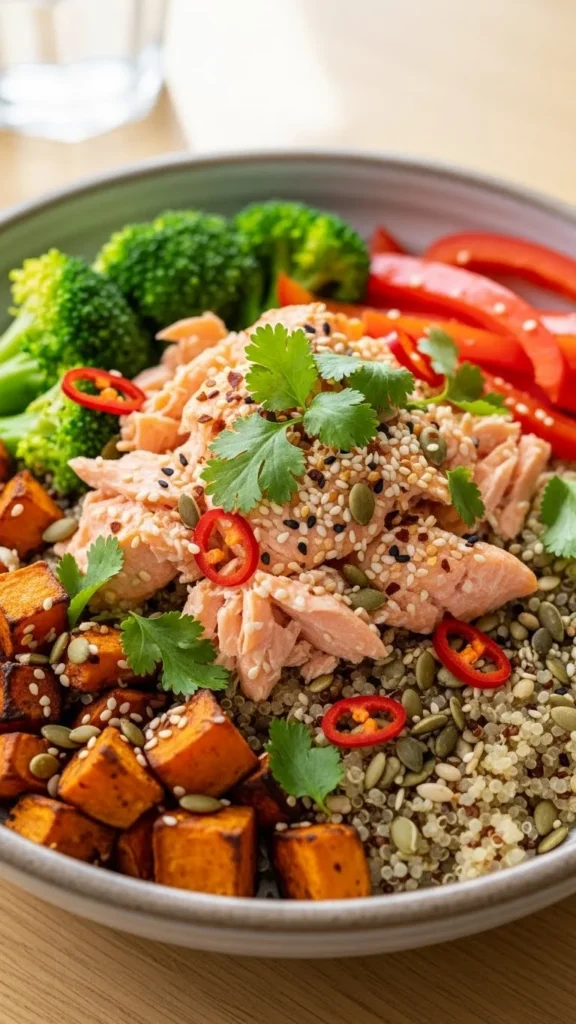
These finishing touches make food feel intentional and rich rather than “diet-like.”
Avoid These Common Healthy Cooking Mistakes
If your dinners feel boring, check for these issues:
- Skipping salt entirely
- Overcooking vegetables
- Using only low-fat substitutes
- Forgetting acid or freshness
- Eating the same flavors repeatedly
Healthy eating should feel satisfying — not like punishment.
Final Takeaway
Healthy dinners don’t need to taste plain or restrictive. When you focus on aromatics, proper seasoning, smart fats, and texture, your meals become nourishing and crave-worthy.
Once you start cooking this way, healthy food stops feeling like a compromise — it becomes something you genuinely look forward to.
Save this guide for your weeknight dinners and make healthy eating feel rich, comforting, and delicious 🥗

Leave a Reply