

Going gluten-free doesn’t mean you have to settle for bland, boring meals. In fact, with the right ingredients and techniques, gluten-free dishes can be just as delicious — sometimes even better — than traditional recipes. Whether you’re cooking for yourself or someone with dietary restrictions, learning how to make gluten-free food taste amazing is easier than you think.
Let’s dive into simple, practical tips to help you create flavorful, satisfying meals without a single trace of gluten.
Start by Choosing Naturally Gluten-Free Ingredients
One of the easiest ways to keep meals flavorful is to base them on whole, naturally gluten-free foods. These foods bring rich textures and colors to your plate without needing substitutions.
Stock up on naturally gluten-free staples:
- Fresh fruits and vegetables
- Lean proteins (chicken, fish, tofu, eggs)
- Beans and lentils
- Rice, quinoa, and buckwheat
- Potatoes and sweet potatoes
These ingredients not only taste great but also create endless options for meals.
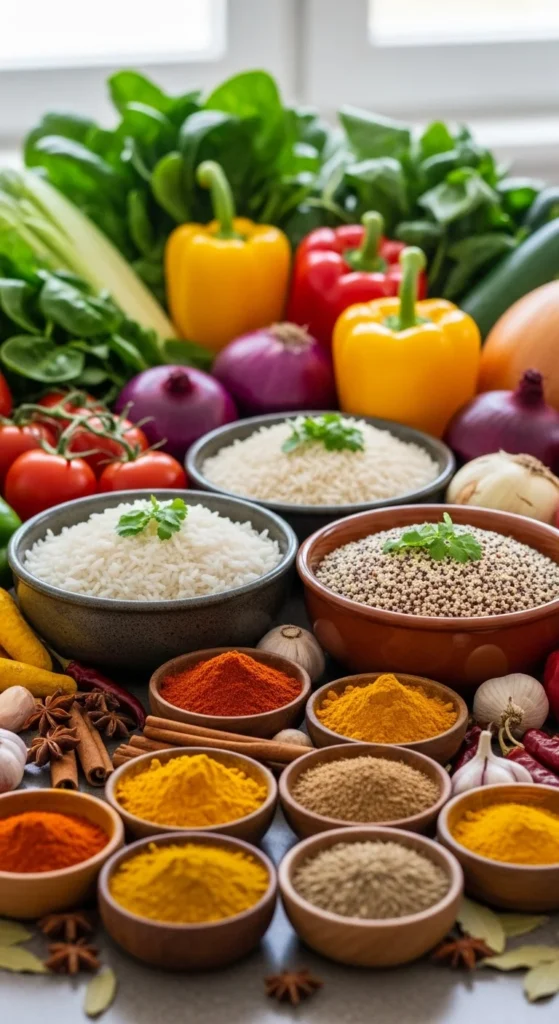
Tip: Focus on variety
Mixing different textures — creamy, crunchy, chewy — gives gluten-free meals that satisfying “fullness” people often miss.
Use the Right Gluten-Free Substitutions
When you do need to replace gluten-filled ingredients, choosing the right substitutes makes a huge difference.
For baking
Try:
- Almond flour
- Coconut flour
- Oat flour (labeled gluten-free)
- Gluten-free all-purpose blends
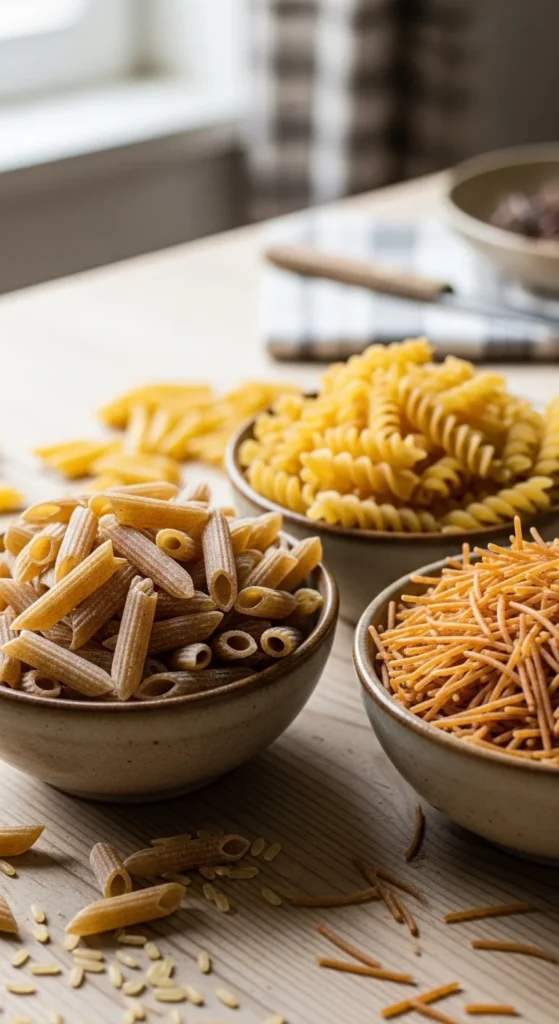
For pasta
Go for:
- Brown rice pasta
- Lentil pasta
- Chickpea pasta
- Quinoa pasta
For sauces and coatings
Instead of wheat flour:
- Cornstarch thickens sauces beautifully
- Almond meal creates crispy coatings
- Rice flour produces light, crunchy textures
These swaps keep your meals flavorful and familiar without compromising taste or texture.
Boost Flavor With Herbs, Spices, and Marinades
Gluten-free meals shine when they’re packed with bold flavors. Without gluten, seasonings play a bigger role — and that’s a good thing!
Experiment with seasoning blends:
- Italian herbs
- Cajun seasoning
- Garlic and paprika mix
- Curry blends
Use fresh herbs generously
Basil, cilantro, dill, rosemary, and parsley can completely transform a dish.
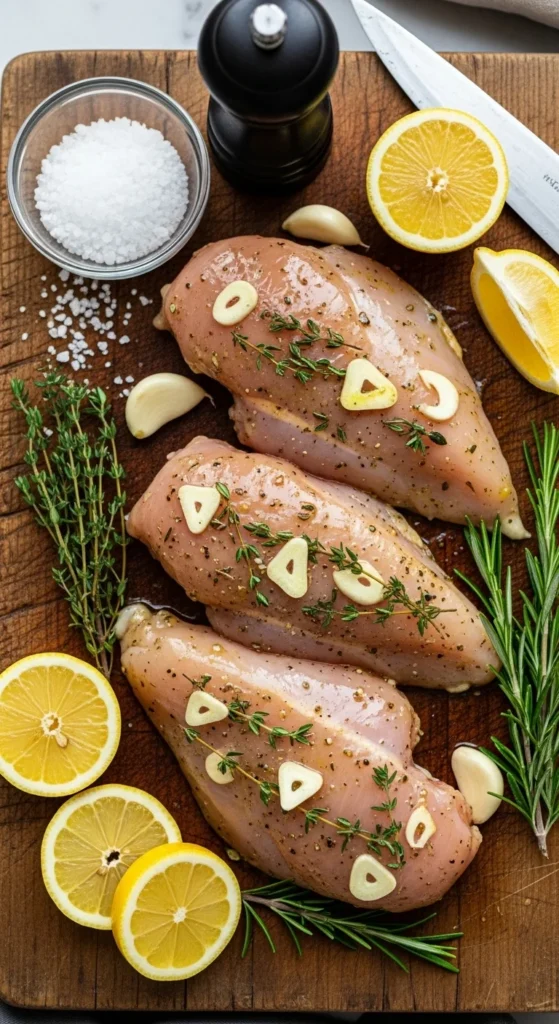
Try marinades
Marinades help infuse flavor and prevent dryness — especially important for gluten-free proteins like chicken and tofu.
Master Gluten-Free Cooking Techniques
The way you cook gluten-free ingredients can make or break the flavor.
Roast for deeper flavor
Vegetables become caramelized and naturally sweet.
Try roasting:
- Broccoli
- Sweet potatoes
- Cauliflower
- Zucchini
Sauté to build flavor fast
A hot pan + olive oil + aromatics = instant magic.
Use broths and stocks
Gluten-free broth adds richness to rice, quinoa, and soups.
Toast your spices
Just 30 seconds in a hot pan wakes up all the flavors.
Create Flavorful Gluten-Free Comfort Meals
Some people think gluten-free comfort food is impossible — but with a few tweaks, you can recreate all your favorites.
Try these ideas:
- Gluten-free mac and cheese with chickpea pasta
- Crispy baked chicken tenders using almond flour
- Hearty chili with beans, tomatoes, and beef
- Veggie-loaded rice bowls topped with sauces
Layer flavors
Adding flavors step-by-step keeps meals from feeling flat.
Don’t Forget Texture — It Matters!
Taste isn’t the only thing to focus on. Texture plays an important role in how satisfying a meal feels.
Add crunch
- Nuts
- Seeds
- Gluten-free croutons
- Crispy chickpeas
Add creaminess
- Avocado
- Greek yogurt (if tolerated)
- Tahini
- Mashed sweet potatoes
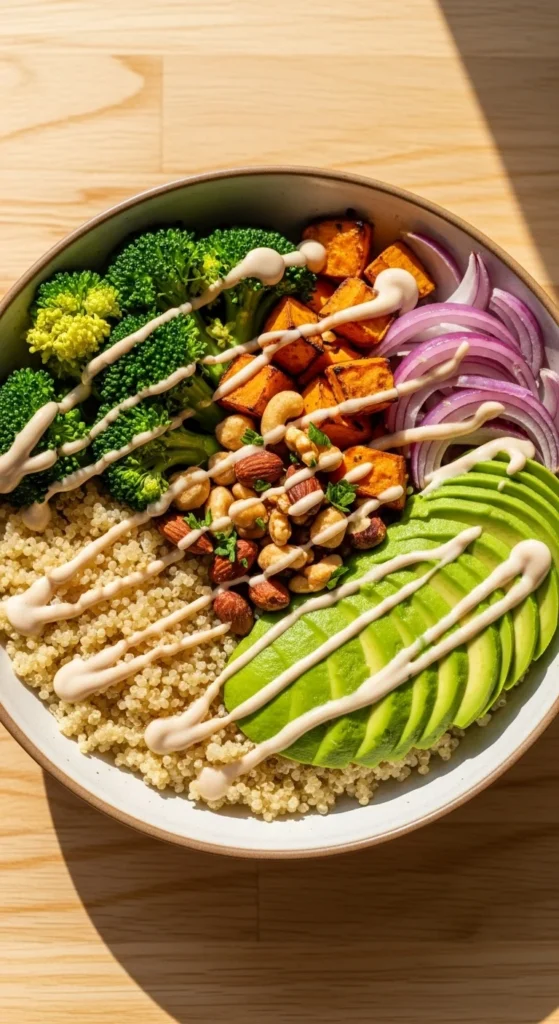
When you combine creamy, crunchy, and chewy textures, gluten won’t be missed at all.
Final Takeaway
Cooking gluten-free meals that taste amazing is totally doable — all it takes is the right ingredients, great seasonings, and a few simple techniques. Focus on bold flavors, fresh produce, and texture-rich dishes, and you’ll never feel limited by gluten-free cooking again.
Save this guide for later and start creating delicious gluten-free meals everyone will love!

Leave a Reply