

Clean eating often gets a bad reputation for being bland or boring—but that couldn’t be further from the truth. When done right, clean eating meals can be colorful, flavorful, and deeply satisfying. The secret isn’t restriction; it’s learning how to work with fresh, whole ingredients and bringing out their natural taste.
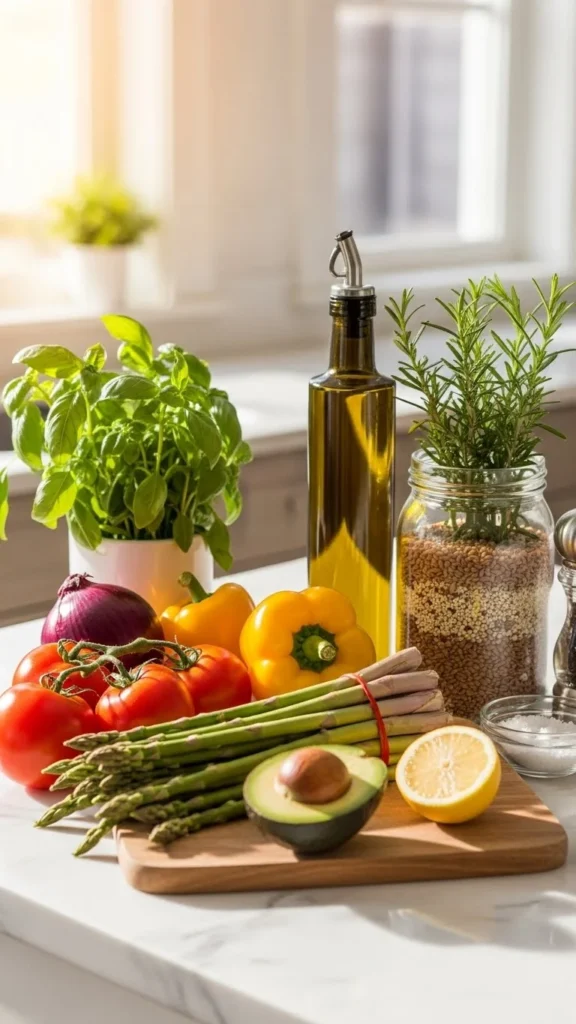
Whether you’re new to clean eating or looking to make your meals more exciting, this guide will show you exactly how to cook clean eating meals that taste amazing—without complicated rules or fancy ingredients.
What Clean Eating Really Means (and What It Doesn’t)
Before cooking, it helps to understand the basics. Clean eating isn’t about cutting out joy—it’s about choosing foods closer to their natural state.
Clean eating usually focuses on:
- Whole vegetables and fruits
- Lean proteins like chicken, fish, eggs, and legumes
- Whole grains such as brown rice, quinoa, and oats
- Healthy fats like olive oil, nuts, seeds, and avocado
It doesn’t mean:
- No flavor
- Endless salads
- Expensive specialty foods
Once you shift this mindset, cooking becomes much more enjoyable.
Start with Fresh, Flavorful Ingredients
Great-tasting clean meals begin with quality ingredients. Fresh produce and minimally processed foods naturally have more flavor.
When shopping, aim for:
- Seasonal vegetables (they’re sweeter and more affordable)
- Fresh herbs instead of dried when possible
- High-quality oils and vinegars
- Whole spices you can grind yourself

Tip: If your ingredients taste good raw, they’ll taste even better cooked.
Master Simple Cooking Techniques
You don’t need advanced skills to make clean meals delicious. A few basic techniques go a long way.
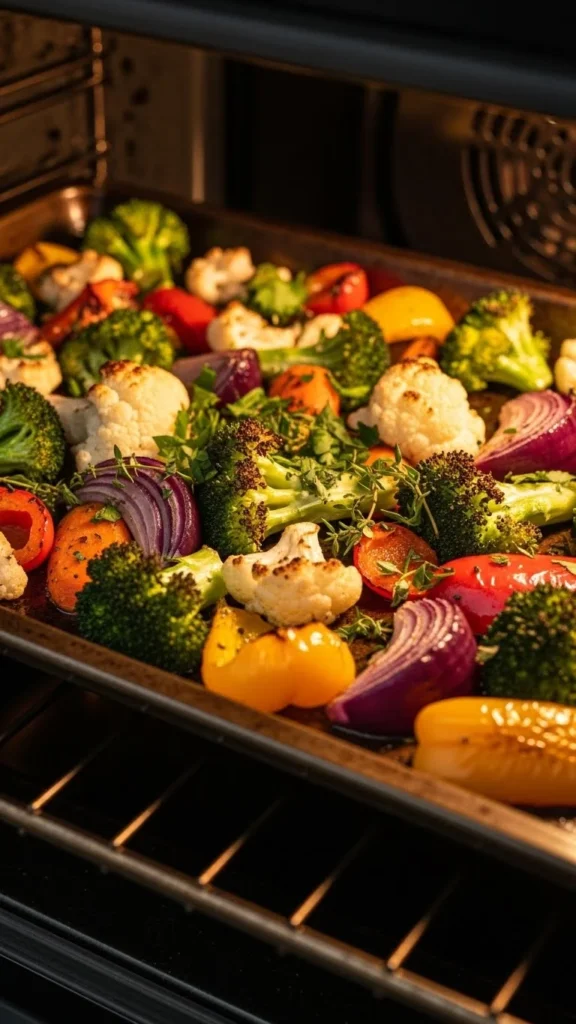
Roasting
Roasting vegetables caramelizes their natural sugars.
- Toss with olive oil, salt, pepper, and spices
- Roast at high heat for crispy edges and deep flavor
Sautéing
Quick and flavorful, perfect for weeknight meals.
- Use a hot pan
- Add garlic, onions, or ginger first for aroma
Grilling
Adds a smoky taste without heavy sauces.
- Works great for proteins and vegetables
- Finish with a squeeze of lemon or drizzle of olive oil
Build Flavor Without Processed Sauces
This is where many people struggle—but also where clean eating truly shines.
Instead of bottled sauces, try:
- Fresh garlic and onions
- Citrus juice and zest
- Vinegars (balsamic, apple cider, red wine)
- Spices like cumin, paprika, turmeric, and chili flakes
Quick clean flavor boosters:
- Greek yogurt + lemon + herbs
- Olive oil + garlic + chili flakes
- Tahini + lemon + water for a creamy drizzle
These add richness and depth without unnecessary additives.
Balance Your Plate for Satisfaction
Clean eating meals taste better when they’re balanced. Each plate should feel complete, not like you’re missing something.
A simple formula:
- ½ plate: colorful vegetables
- ¼ plate: lean protein
- ¼ plate: whole grains or starchy veggies
- Add: healthy fats for flavor and fullness
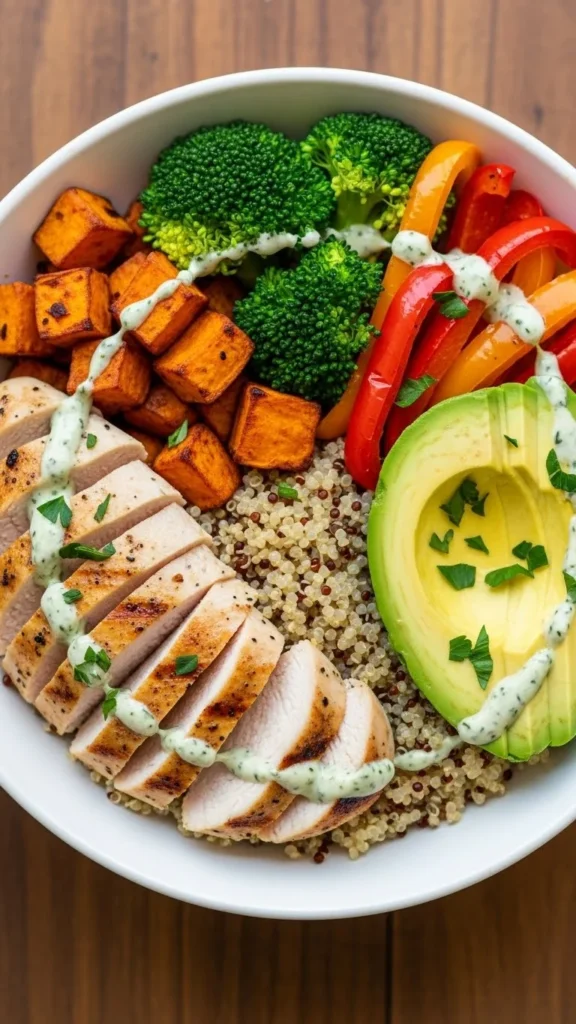
This balance keeps meals filling and prevents cravings later.
Make Clean Eating Practical and Enjoyable
Consistency matters more than perfection. Clean eating should fit into your lifestyle.
Try these practical tips:
- Prep vegetables in advance for faster cooking
- Cook extra portions for leftovers
- Rotate flavors so meals don’t feel repetitive
- Don’t be afraid of salt—just use it wisely
Most importantly, cook foods you actually enjoy. Clean eating works best when it feels sustainable, not forced.
Experiment and Make It Your Own
Taste as you cook and adjust:
- Add acidity if food tastes flat
- Add herbs for freshness
- Add healthy fats if it feels dry
Over time, you’ll develop confidence and intuition in the kitchen—and clean eating will feel effortless.
Final Takeaway
Cooking clean eating meals that taste great isn’t about following strict rules—it’s about using real ingredients, simple techniques, and bold flavors. When you focus on freshness, balance, and enjoyment, clean meals become something you look forward to every day.
Save this guide for later and start turning clean eating into your favorite way to cook!

Leave a Reply