

Every parent knows the struggle: you cook a meal with the best intentions, only to watch it get pushed around the plate—or rejected entirely. Kids can be picky, unpredictable, and brutally honest about food. But making kids-friendly recipes that they actually eat doesn’t require becoming a short-order cook or giving up on nutrition.
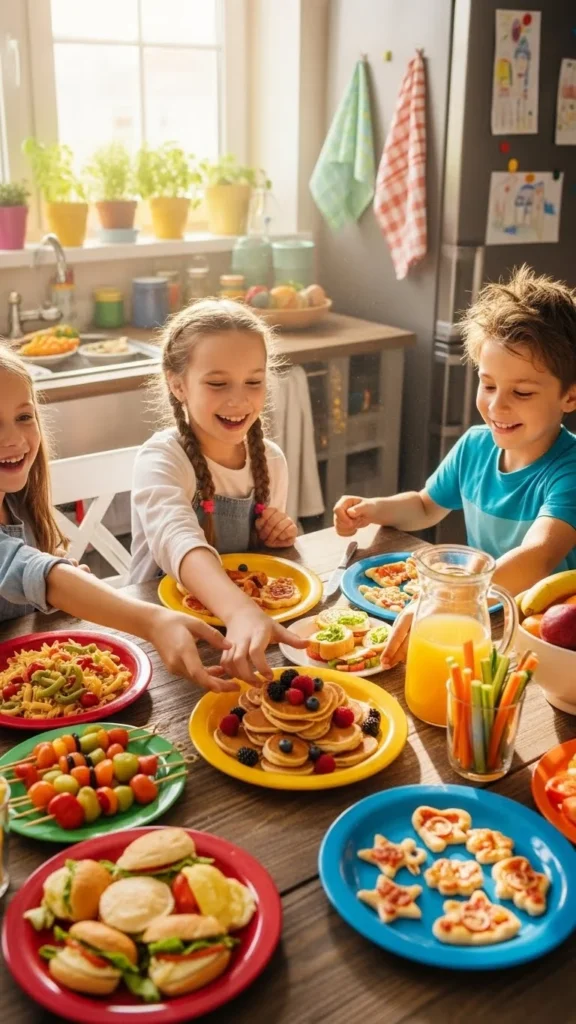
With a few smart strategies and realistic expectations, you can create meals that kids enjoy and parents feel good about serving. Here’s how to make kid-approved food without stress.
Understand What Kids Really Want from Food
Kids often care less about “healthy” and more about comfort, familiarity, and fun. Recognizing this helps you meet them halfway.
Most kids prefer:
- Simple flavors
- Familiar textures
- Predictable foods
- Foods they can recognize
That doesn’t mean unhealthy—it just means approachable. Start with what they already like and build from there.
Keep Flavors Simple and Balanced
Overly complex flavors can overwhelm kids. Simplicity wins every time.
Flavor tips for kids:
- Go light on spices
- Avoid too much heat or bitterness
- Use mild seasonings like garlic, butter, or cheese
- Add salt carefully

You can always add more flavor to adult portions later.
Make Food Fun Without Making Extra Work
Presentation matters more than you think. A small visual change can make a big difference.
Easy ways to make meals more appealing:
- Cut food into fun shapes
- Use colorful ingredients
- Serve food in sections instead of mixed together
- Let kids build their own plates
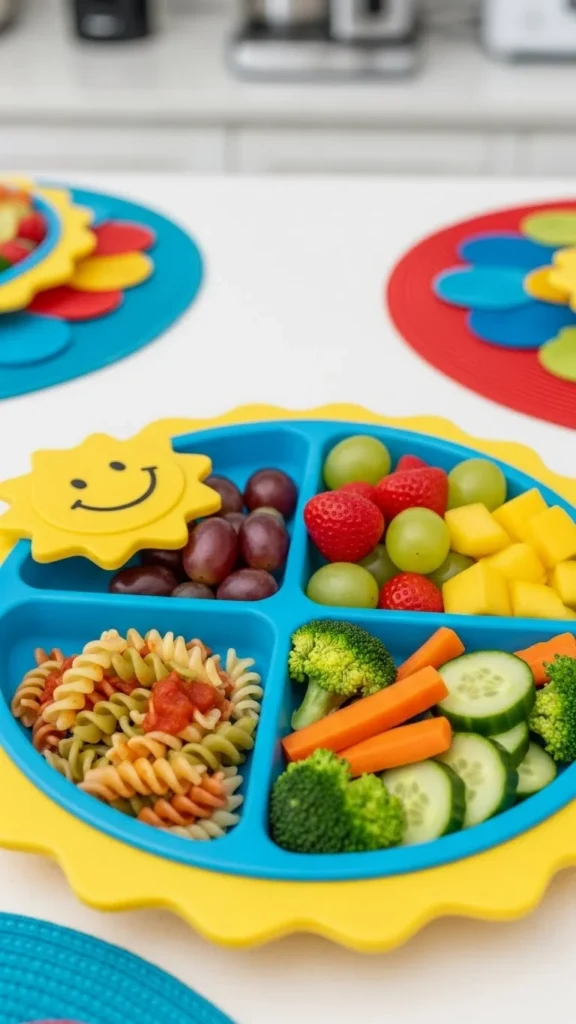
These tricks don’t require extra cooking—just thoughtful plating.
Sneak Nutrition in Smart Ways
You don’t need to hide everything, but subtle swaps go a long way.
Easy nutrition boosts:
- Mix veggies into sauces or meatballs
- Use whole-grain pasta or bread
- Add grated veggies to eggs or muffins
- Blend fruits into smoothies or yogurt
Kids get the benefits without feeling tricked.
Offer Choices to Increase Buy-In
Kids are more likely to eat when they feel involved. Choices give them control without chaos.
Simple choice ideas:
- “Do you want rice or pasta?”
- “Chicken or eggs tonight?”
- “Apple slices or banana?”
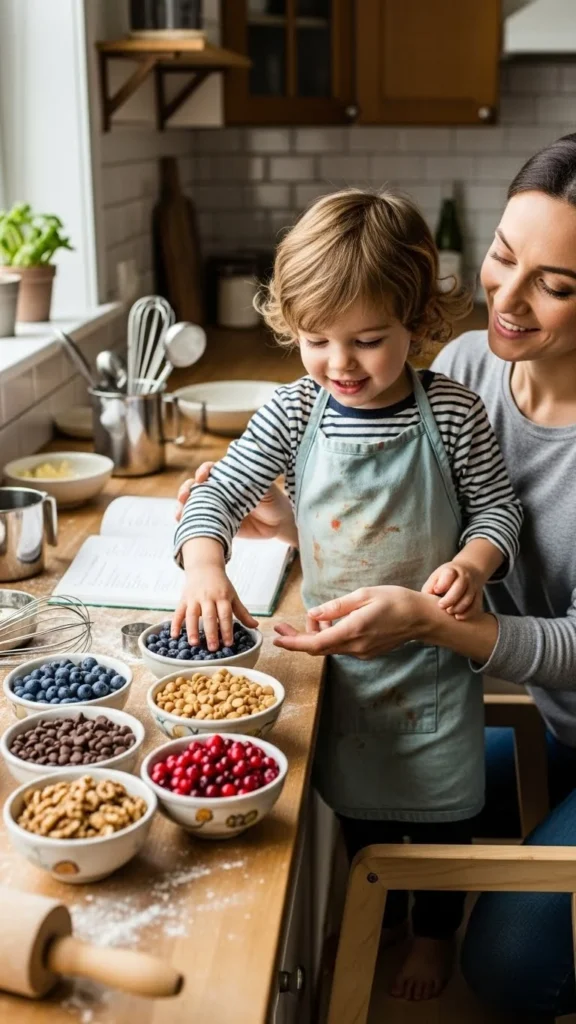
The key is offering limited, parent-approved options.
Cook Familiar Meals with Small Twists
Instead of introducing brand-new meals, upgrade favorites slowly.
Examples:
- Mac and cheese with blended veggies
- Tacos with mild seasoning and toppings on the side
- Pizza on whole-grain crust with familiar toppings
- Chicken nuggets made at home
Gradual changes feel safe and reduce resistance.
Involve Kids in the Cooking Process
Kids who help cook are more likely to eat what they make.
Age-appropriate tasks:
- Washing produce
- Stirring ingredients
- Assembling wraps or bowls
- Topping pizzas
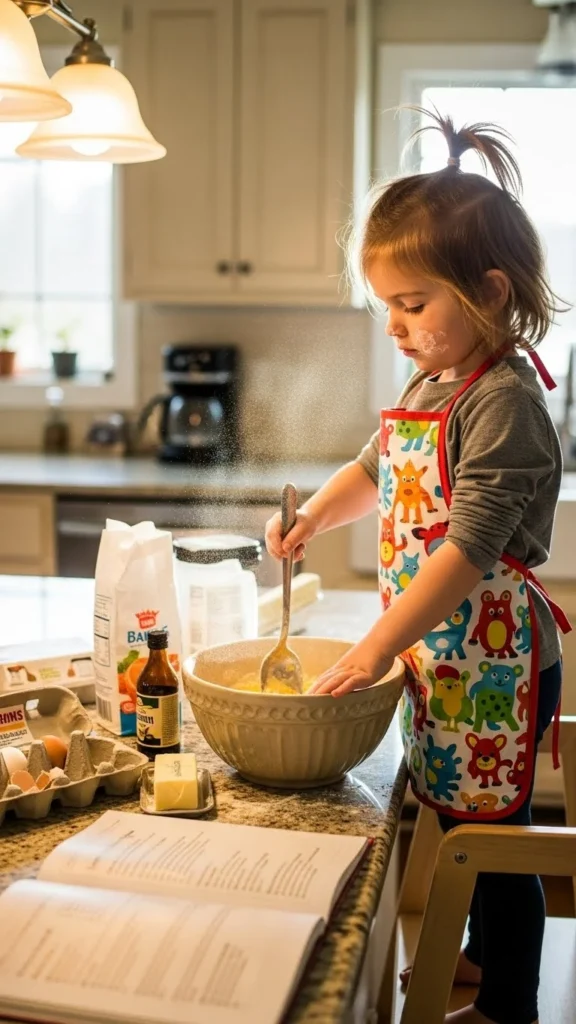
Even small involvement builds curiosity and confidence around food.
Keep Portions Small and Pressure Low
Large portions can intimidate kids and lead to waste. Start small and allow seconds.
Helpful habits:
- Serve small portions first
- Avoid forcing bites
- Praise trying, not finishing
- Stay calm if food is refused
Pressure often backfires—patience works better.
Create a Predictable Meal Routine
Kids thrive on routine. Regular meal times help reduce power struggles.
Routine tips:
- Eat meals together when possible
- Keep snacks at consistent times
- Limit grazing before meals
- Model healthy eating yourself
When meals feel predictable, kids feel safer trying food.
Final Takeaway
Making kids-friendly recipes that they actually eat is about simplicity, flexibility, and patience—not perfection. When you focus on familiar flavors, fun presentation, gentle nutrition upgrades, and kid involvement, mealtime becomes calmer and more enjoyable for everyone.
Save this guide for later and turn mealtime into a win for both kids and parents!

Leave a Reply