

If you’ve ever stood in front of the fridge wondering “What can I eat that’s healthy, filling, and actually tastes good?”—protein bowls are your answer. They’re colorful, customizable, and perfect for clean eating without feeling restrictive. Best of all, you can mix and match ingredients based on what you have, your goals, or your cravings.
Protein bowls work for busy weekdays, meal prep Sundays, or quick post-workout meals—and once you master the basics, you’ll never get bored.
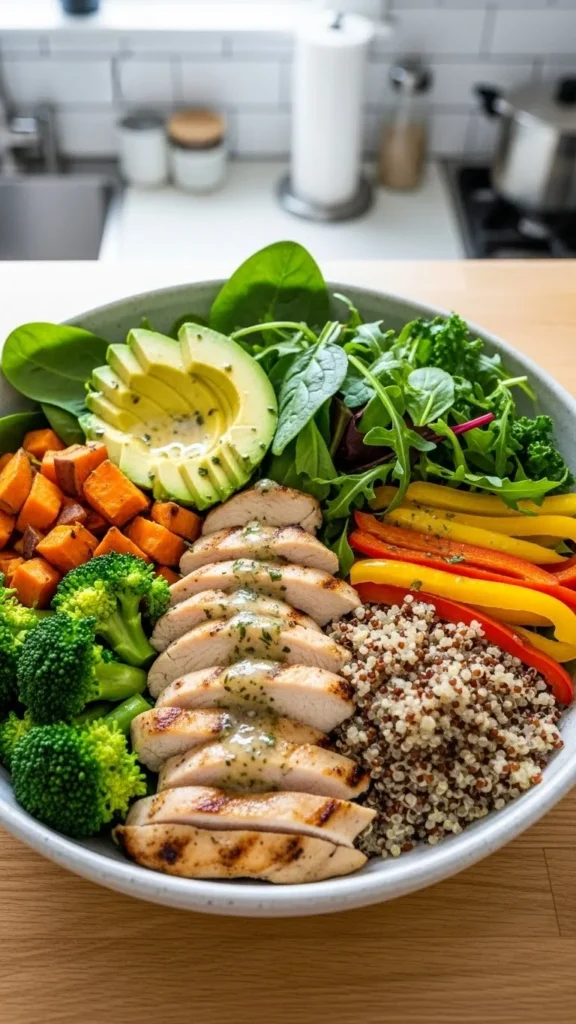
What Is a Protein Bowl (and Why It’s Great for Clean Eating)
A protein bowl is a balanced meal in one bowl, built around a solid protein source and supported by whole, nutrient-dense ingredients.
A clean-eating protein bowl usually includes:
- Lean protein
- Complex carbs
- Healthy fats
- Fresh or roasted vegetables
Why people love them:
- Easy to portion
- Naturally balanced
- Great for meal prep
- Endless flavor combinations
Think of protein bowls as a flexible formula—not a strict recipe.
Step 1: Choose Your Protein Base
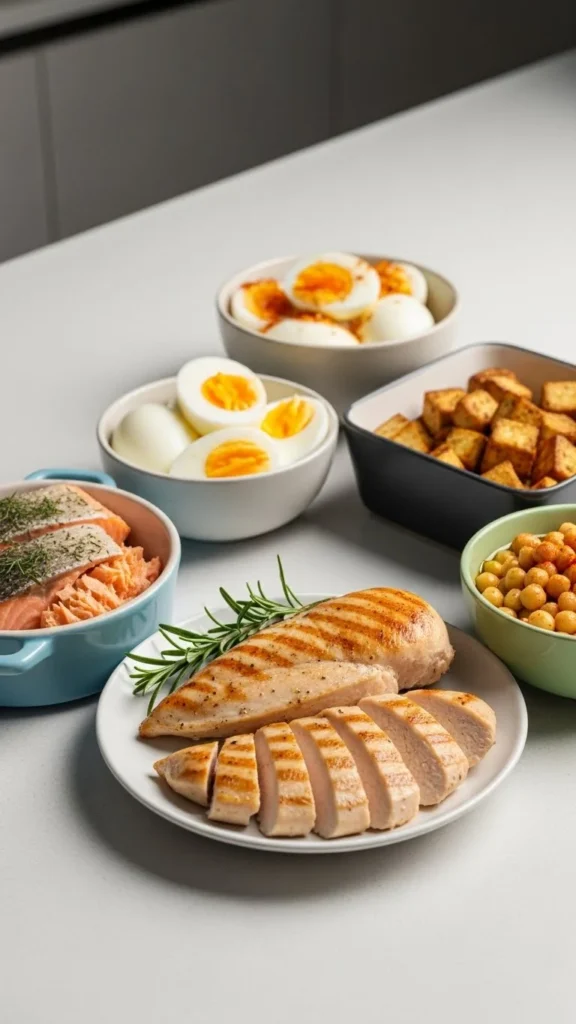
Protein is the star of the bowl. Pick one that fits your lifestyle and dietary needs.
Popular clean protein options:
- Grilled or baked chicken breast
- Salmon or shrimp
- Hard-boiled or soft-boiled eggs
- Tofu or tempeh
- Chickpeas, lentils, or black beans
Aim for:
- Palm-sized portion
- Minimal oil
- Simple seasoning (salt, pepper, herbs, spices)
Step 2: Add a Clean Carb for Energy
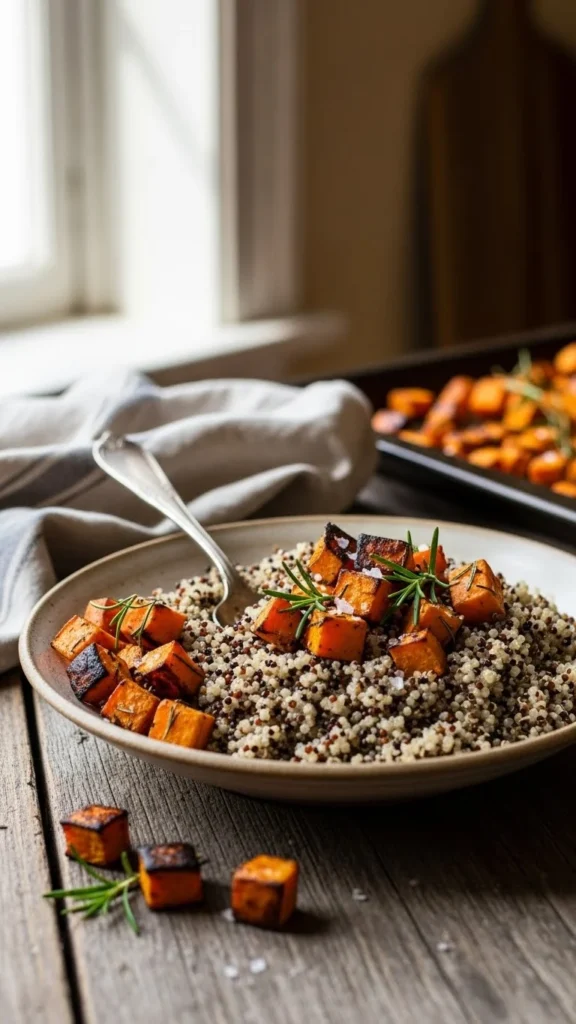
Carbs give your protein bowl staying power and make it feel like a real meal.
Great clean carb choices:
- Brown rice
- Quinoa
- Sweet potatoes
- Farro or barley
- Cauliflower rice (for low-carb bowls)
Tips:
- Keep portions moderate
- Avoid heavy sauces mixed into grains
- Season lightly with herbs or lemon
Step 3: Load Up on Veggies (Fresh + Cooked)
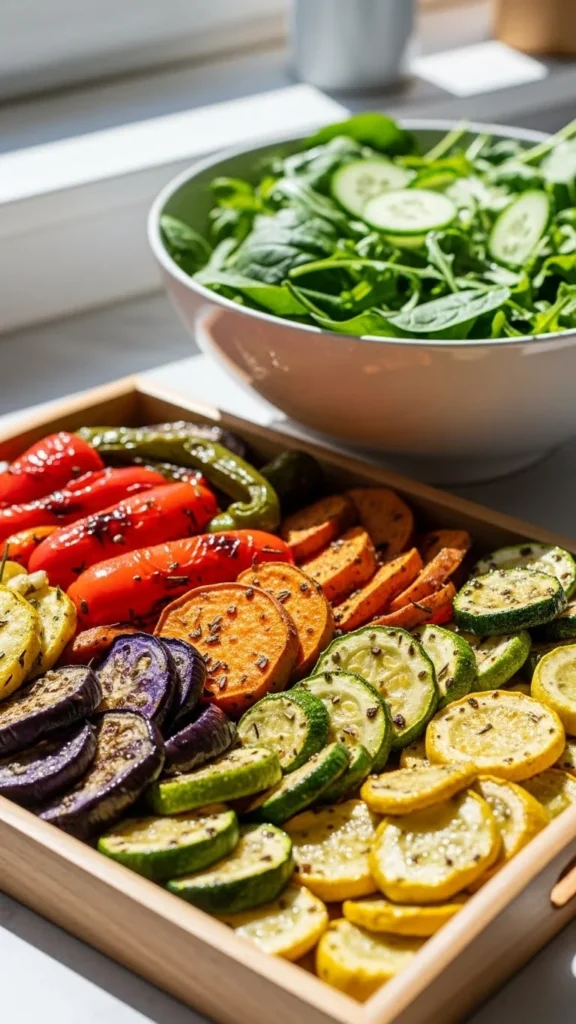
Vegetables add volume, color, and nutrients—this is where bowls really shine.
Mix raw and cooked veggies for the best texture:
- Fresh: spinach, arugula, cucumber, tomatoes
- Roasted: broccoli, bell peppers, zucchini, carrots
- Crunchy: shredded cabbage, radishes, sprouts
Quick tip:
- Roast veggies at high heat (200°C / 400°F) for caramelization
- Keep greens raw for freshness
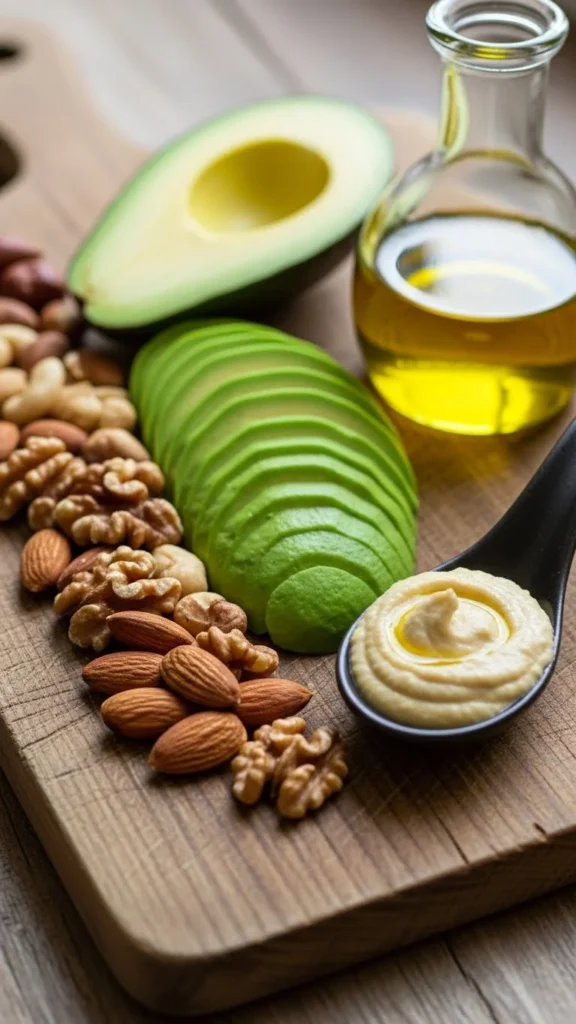
Step 4: Don’t Skip Healthy Fats
Healthy fats boost flavor and help you stay full longer.
Clean fat options:
- Avocado slices
- Olive oil drizzle
- Nuts and seeds
- Tahini or hummus
- Greek yogurt-based sauces
Keep it light:
- 1–2 tablespoons is enough
- Focus on quality over quantity
Step 5: Add Simple Sauces (Clean but Flavorful)
Sauce can make or break a protein bowl—but clean eating doesn’t mean bland.
Easy clean sauce ideas:
- Lemon juice + olive oil
- Greek yogurt + garlic + herbs
- Tahini + water + lemon
- Mustard + honey (light drizzle)
Rule of thumb:
- Creamy but light
- No heavy sugars
- Drizzle, don’t drown
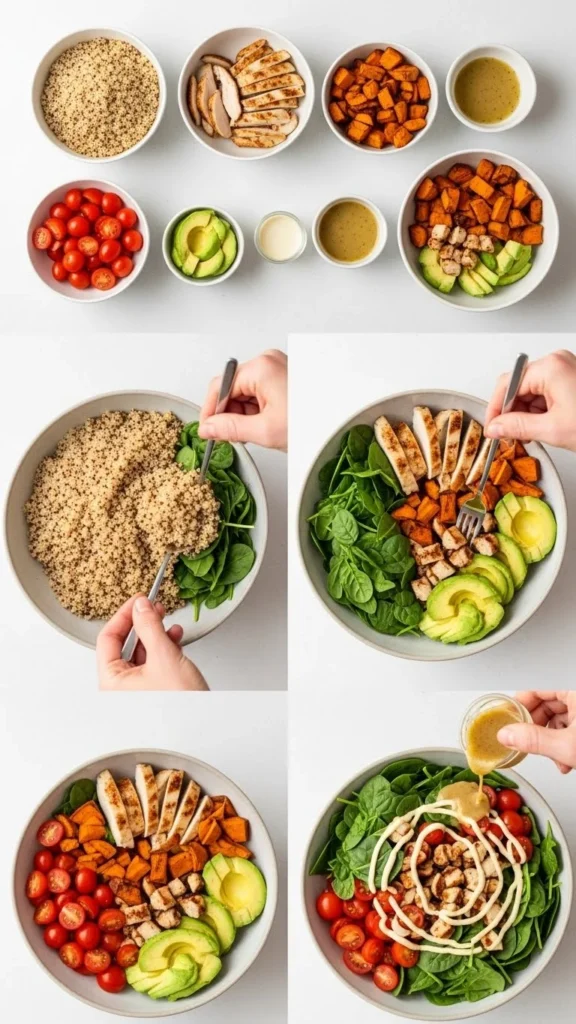
How to Assemble the Perfect Protein Bowl
Use this simple layering method:
- Start with carbs at the base
- Add protein on top
- Surround with veggies
- Finish with healthy fats
- Drizzle sauce last
This keeps textures distinct and visually appealing—perfect for Pinterest-worthy bowls.
Easy Protein Bowl Combos to Try
Here are a few foolproof ideas:
Mediterranean Bowl
- Grilled chicken
- Quinoa
- Cucumber, tomatoes, olives
- Hummus + olive oil
Plant-Based Power Bowl
- Roasted chickpeas
- Sweet potatoes
- Kale and cabbage
- Tahini dressing
High-Protein Lunch Bowl
- Salmon
- Brown rice
- Roasted broccoli
- Avocado + lemon
Meal Prep Tips for Busy Weeks
Protein bowls are meal-prep friendly if you prep smart.
Do this:
- Cook proteins and grains in batches
- Roast veggies for 3–4 days
- Store sauces separately
- Assemble fresh for best texture
This saves time without sacrificing flavor.
Final Takeaway
Easy protein bowls make clean eating simple, satisfying, and sustainable. Once you understand the basic formula—protein, carbs, veggies, fats—you can create endless combinations that fit your goals and your schedule.
Save this guide for later, pin your favorite bowl ideas, and start building clean, nourishing meals you’ll actually look forward to eating! 🥗✨

Leave a Reply