

There’s something special about homemade pasta — the softness, the fresh flavor, the way it holds sauce perfectly. And the best part? You don’t need to be an Italian chef to make it. With just a few ingredients and a little practice, you can create pasta that tastes straight out of a tiny trattoria in Rome.
Let’s break down the process step-by-step so you can make fresh, delicious pasta right at home.
1. Gather Your Simple, Authentic Ingredients
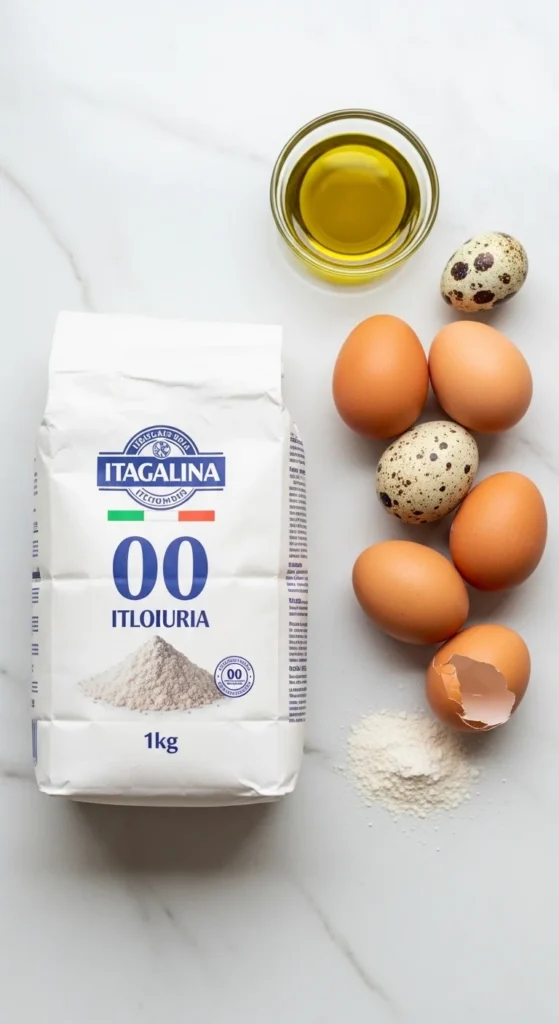
Homemade pasta is surprisingly simple — all you need is flour, eggs, and a pinch of salt. The magic comes from technique, not complexity.
Basic Pasta Dough Ingredients:
- 2 cups all-purpose or “00” flour
- 3 large eggs
- 1 teaspoon olive oil (optional)
- A small pinch of salt
“00” flour gives the silkiest texture, but all-purpose works beautifully too.
2. Form the Dough Like a Real Italian
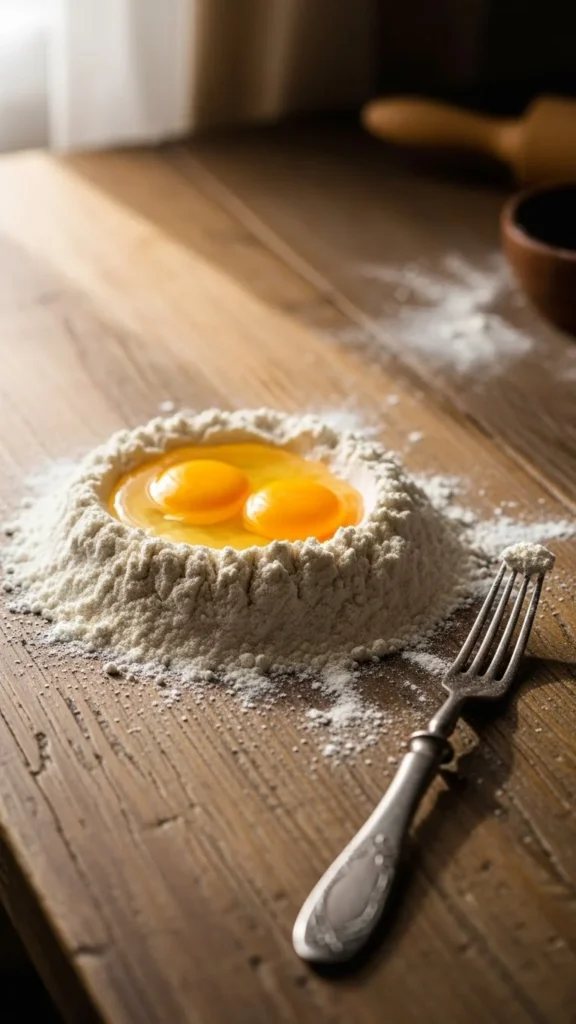
Traditional Italian pasta starts with the “flour well” method. It’s simple and surprisingly calming.
Steps:
- Pour your flour on a clean countertop.
- Make a well in the center using your fingers.
- Add eggs into the well.
- Slowly whisk the eggs with a fork, pulling in flour from the sides.
- Knead until a smooth dough forms.
If the dough feels sticky, add a little flour. If it feels dry, add a few drops of water.
3. Knead Until the Dough Is Soft and Elastic
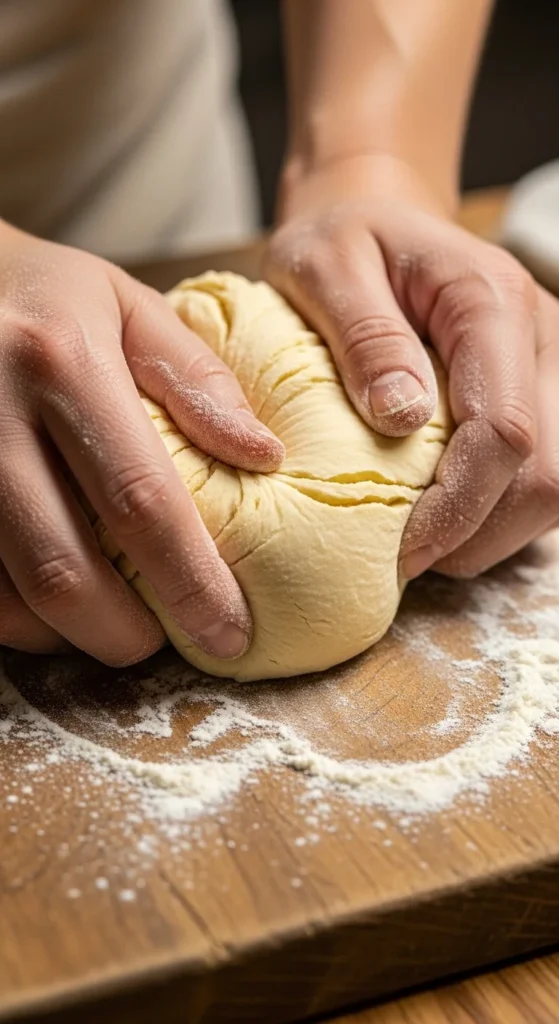
Kneading is where the texture comes alive. You want your dough elastic, smooth, and slightly firm — not sticky or crumbly.
Quick Kneading Tips:
- Push with the heel of your hand
- Fold, rotate, and repeat
- Knead for at least 8–10 minutes
The dough should bounce back slightly when pressed. If it doesn’t, keep kneading!
4. Let the Dough Rest (It Makes a Big Difference!)
This is where many beginners rush, but rest time is everything. Resting relaxes the gluten and makes rolling much easier.
How to Rest the Dough:
- Wrap in plastic wrap or cover with a bowl
- Let it rest for 20–30 minutes at room temperature
This step prevents the dough from shrinking or tearing during rolling.
5. Roll Out the Dough Smoothly and Evenly
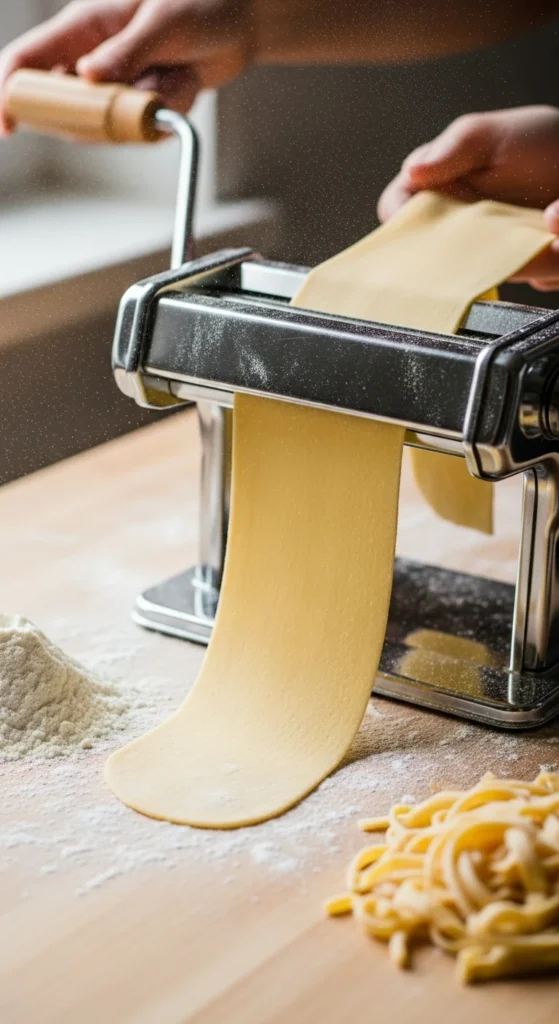
You can use a pasta machine or a rolling pin. Both work great — Italian grandmas have been doing it by hand for centuries.
Using a Pasta Machine:
- Cut dough into smaller pieces
- Flatten slightly
- Run through the widest setting
- Fold and repeat 2–3 times
- Gradually roll thinner until you reach your desired thickness
Rolling By Hand:
- Dust the surface lightly with flour
- Roll from the center outward
- Rotate often to keep the shape even
You’re aiming for thin, smooth sheets you can almost see light through.
6. Cut the pasta Into Your Favorite Shapes
Fresh pasta is incredibly versatile — cut it however you like.
Popular Pasta Shapes:
- Fettuccine: Long, wide ribbons
- Tagliatelle: Similar but slightly thinner
- Pappardelle: Extra wide, perfect for meat sauces
- Linguine: Thin, flat noodles
- Lasagna sheets: Large, flat layers
Dust your cut pasta lightly with flour to prevent sticking.
7. Cook Your Fresh Pasta Perfectly
Fresh pasta cooks much faster than store-bought. Once you drop it into boiling salted water, it only needs 2–3 minutes.
Cooking Tips:
- Salt your water generously
- Don’t walk away — it cooks fast!
- Taste a noodle to check for doneness
- Save a bit of pasta water for your sauce
8. Pair With Simple, Traditional Sauces
Italian chefs know that fresh pasta shines with simple sauces — nothing too heavy.
Delicious Options:
- Garlic butter and parmesan
- Tomato basil sauce
- Creamy Alfredo
- Pesto
- Olive oil with chili flakes and lemon zest
Fresh pasta absorbs sauce beautifully, giving every bite flavor.
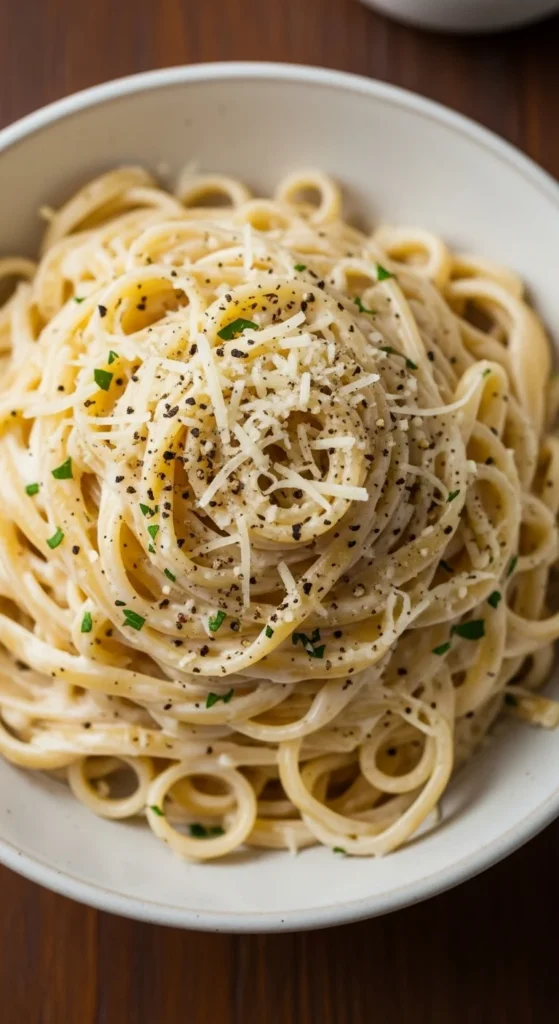
9. Store, Dry, or Freeze Your Pasta
Fresh pasta can be enjoyed immediately or saved for later.
To Store:
- Refrigerate for up to 2 days
- Freeze in nests for up to 2 months
- Dry on a pasta rack for long-term storage
Freezing is the easiest — just boil straight from frozen.
Final Takeaway
Making homemade pasta isn’t just cooking — it’s an experience. It’s slow, hands-on, and incredibly rewarding. With just flour, eggs, and a bit of patience, you can create pasta that tastes like it came from an Italian kitchen.
Save this guide for later and try making your own fresh pasta this week!

Leave a Reply