

There’s something magical about banana bread—the smell alone can make a whole kitchen feel warm and inviting. But getting it right every time? That’s where most people struggle. Too dense, too dry, too soggy in the middle… we’ve all been there. The good news? Banana bread can be foolproof when you understand a few simple tricks.
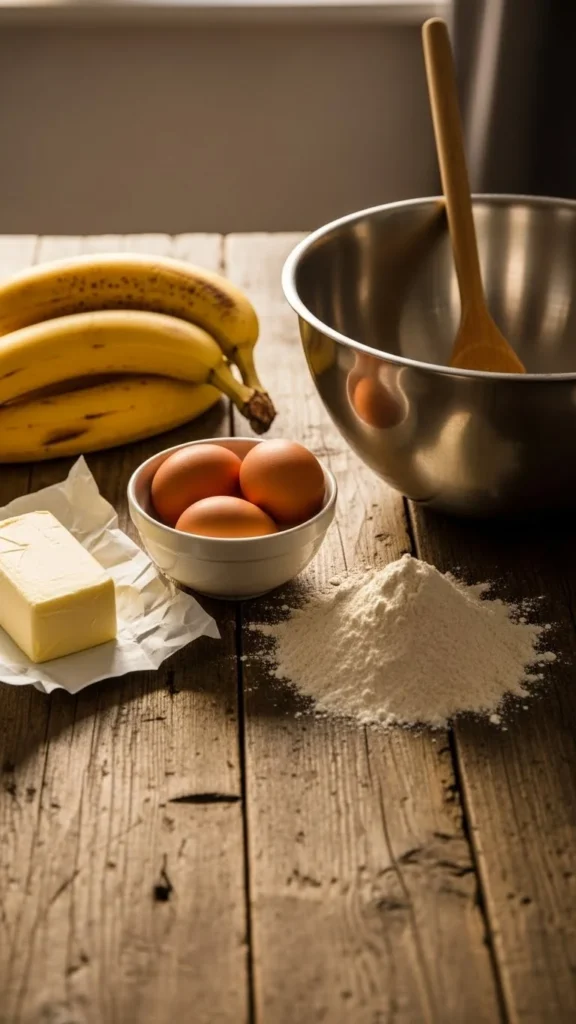
1. Start With the Right Bananas
The secret to perfect banana bread begins long before you preheat the oven. It starts with your bananas.
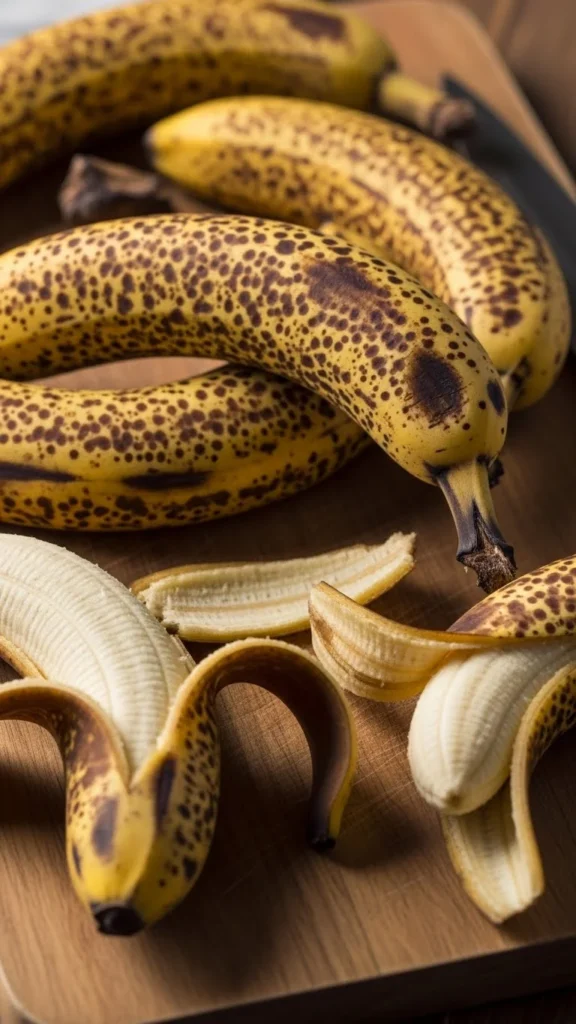
Choose Extra-Ripe Bananas
- Dark brown or spotted is ideal
- Soft when pressed
- Sweeter and easier to mash
Unripe bananas won’t give you the same moisture or flavor depth.
2.Mix Wet and Dry Ingredients the Right Way
Banana bread isn’t complicated, but mixing matters. Overmixing is one of the biggest reasons banana bread becomes tough instead of soft and moist.
Your Dry Ingredients
- Flour
- Baking soda
- Salt
- Optional warm spices: cinnamon or nutmeg
Mix these in a separate bowl so the baking soda gets evenly distributed.
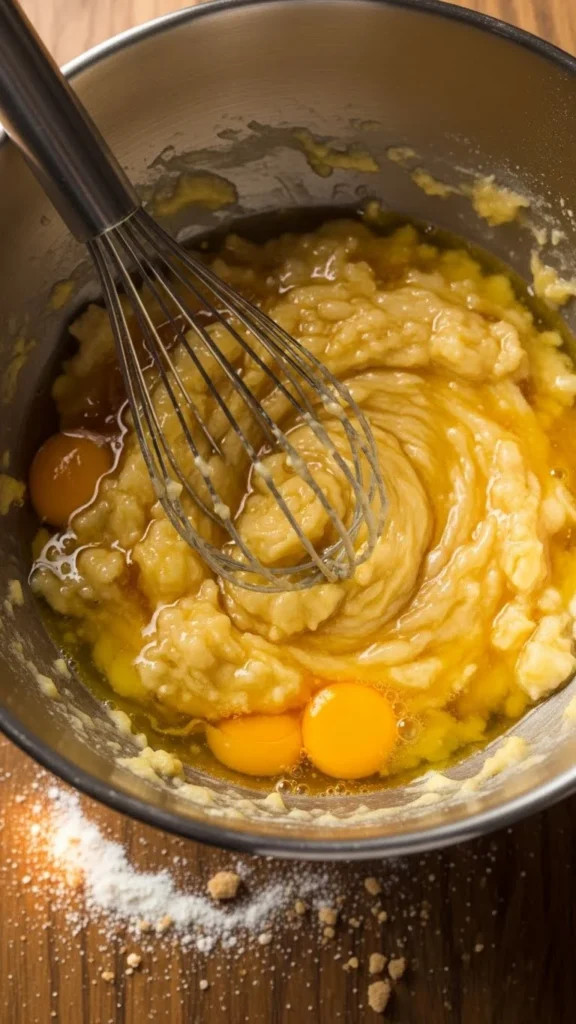
Your Wet Ingredients
- Mashed bananas
- Sugar
- Melted butter or oil
- Eggs
- Vanilla extract
Combine wet ingredients gently and avoid whipping too much air into the batter.
3.Don’t Overmix Once You Combine Everything
This is the golden rule.
When wet and dry ingredients meet, gluten begins to form. The more you stir, the tougher your bread becomes. Instead, gently fold the batter with a spatula until you no longer see streaks of flour.
Signs You’ve Mixed Enough
- Batter looks slightly lumpy
- No dry pockets remain
- It feels thick and heavy—this is perfect
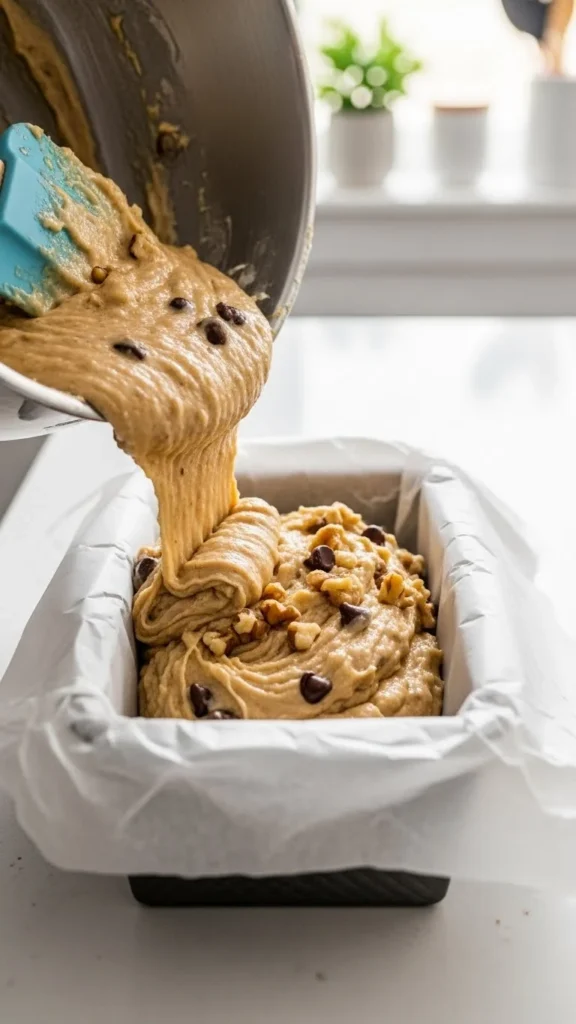
If you want to add chocolate chips, nuts, or berries, fold them in at the very end so you don’t overwork the batter.
4.Use the Right Pan and Baking Temperature
Banana bread needs gentle, even heat to bake perfectly all the way through.
Best Practices
- Use a standard-size loaf pan (8×4 or 9×5)
- Line it with parchment for easy removal
- Bake at 350°F (175°C)
- Place the pan in the center of the oven
If you’re using a smaller or larger pan, adjust baking time accordingly—thicker loaves take longer, and thinner ones bake faster.
5. Know When Your Banana Bread Is Actually Done
Banana bread often looks done on top before it’s fully cooked inside. Instead of relying on color alone, test it properly.
How to Check Doneness
- Insert a toothpick in the center
- It should come out clean or with a few moist crumbs
- If it’s wet, bake 5–10 minutes more
The top should be golden brown and slightly cracked—that’s when you know it’s perfect.
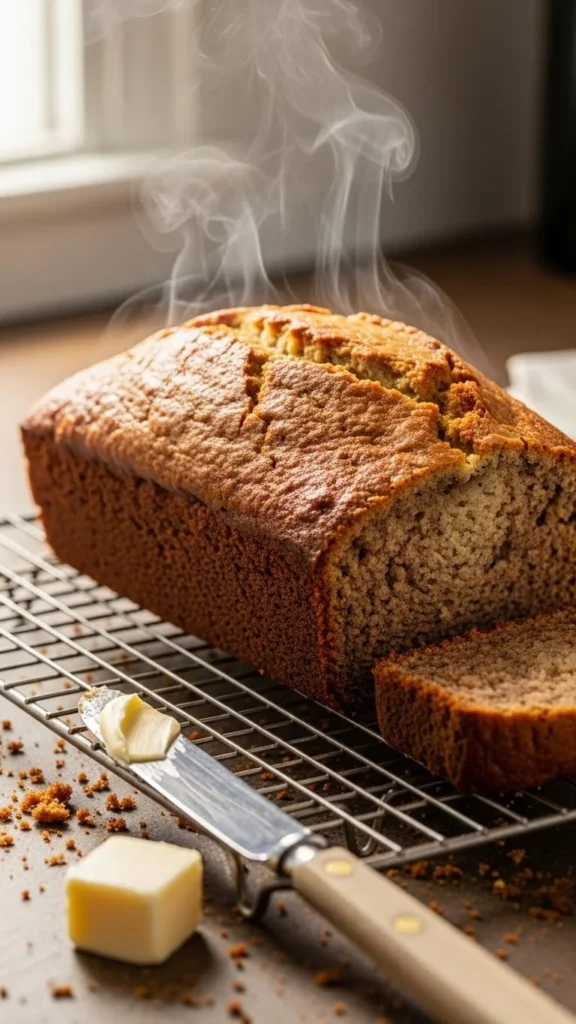
6. Let It Cool Before Slicing
This part is painful, but necessary.
Freshly baked banana bread needs time to set. Cutting too early will make it feel crumbly or undercooked—even if it’s baked perfectly.
Cooling Tips
- Let it sit in the pan for 10 minutes
- Transfer to a wire rack
- Cool completely before slicing
Cooling helps the texture become soft, moist, and stable.
7. Add Custom Flavors Without Ruining the Texture
Once you master the base recipe, you can play around with mix-ins—without messing it up.
Try These Add-In Ideas
- Chocolate chips
- Toasted walnuts or pecans
- Blueberries
- Cinnamon swirl
- Shredded coconut
- Peanut butter drizzle
Just keep the total add-ins under 1 cup to avoid sinking or overloading the batter.
Conclusion
Banana bread doesn’t have to be a hit-or-miss recipe. With ripe bananas, proper mixing, the right baking method, and a little patience, you can create a loaf that’s perfectly soft, moist, and flavorful—every single time.
Save this recipe guide so your banana bread never fails again! 🍌🍞

Leave a Reply