

Trying to eat healthier shouldn’t mean walking around with a growling stomach. The truth is, you can enjoy low-calorie meals that keep you full, energized, and satisfied—all without sacrificing flavor. The secret lies in smart ingredient choices and simple cooking techniques that make your meals naturally filling.
If you’re ready to lose calories without losing comfort, let’s dive in.
1. Focus on High-Volume, Low-Calorie Foods
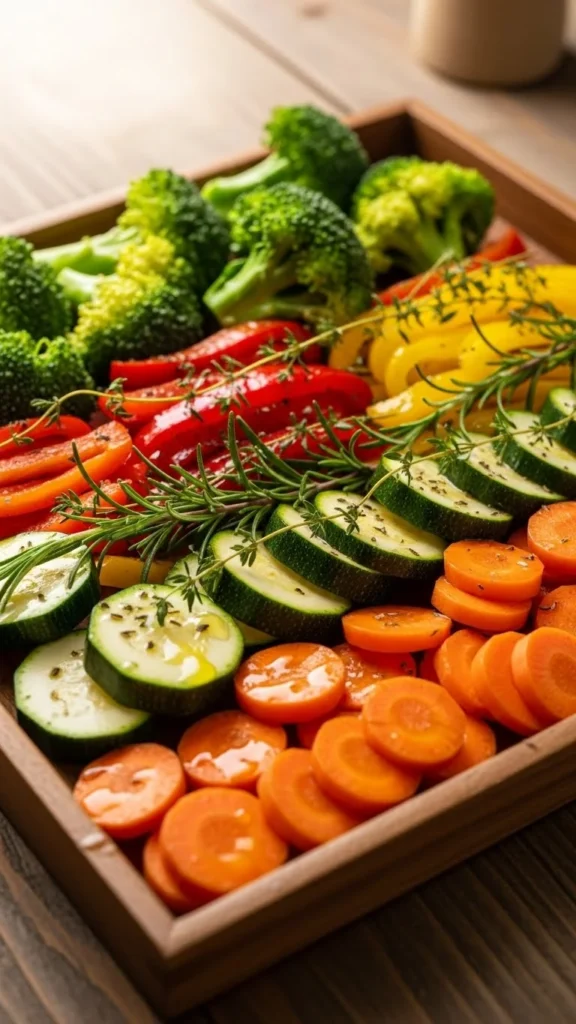
One of the easiest ways to stay full on fewer calories is to fill your plate with foods that have a lot of volume but not a lot of calories. These foods take up space in your stomach, tricking your brain into feeling satisfied.
Great high-volume foods include:
- Leafy greens (spinach, lettuce, kale)
- Broccoli and cauliflower
- Zucchini
- Strawberries and berries
- Watermelon
- Soups with lots of vegetables
You can double the size of your meals without doubling the calories.
2. Protein: Your Secret Weapon for Feeling Full
Protein is the nutrient that keeps hunger away the longest. If your low-calorie meals don’t include protein, you’ll feel hungry quickly—even if you eat a lot of volume.
Great low-calorie, high-protein options:
- Chicken breast
- Eggs
- Greek yogurt
- Lentils
- Chickpeas
- Tofu
- Turkey
- Fish like tilapia or salmon
Tip: Aim for protein in every meal to stay satisfied for hours.
3. Use Fiber to Your Advantage
Fiber slows down digestion, which means you feel fuller for longer. It also adds bulk—another key to staying full on a calorie deficit.
High-fiber foods that work well in low-calorie meals:
- Oats
- Beans
- Lentils
- Apples and pears
- Chia seeds
- Whole grains
- Veggie-packed soups
Try combining fiber + protein + high-volume vegetables for the ultimate low-calorie, hunger-proof meal.
4. Make Low-Calorie Meals Flavorful (So You Don’t Feel Deprived)
Many people feel hungry on low-calorie diets because they’re eating bland food. But healthy meals can be flavorful, rich, and satisfying.
Season your meals with:
- Garlic
- Ginger
- Lemon juice
- Chili flakes
- Herbs (basil, thyme, oregano, parsley)
- Soy sauce or low-sodium broth
A meal that’s bursting with flavor makes you feel like you’re eating more—even if the calories are low.
5. Build Meals That Keep You Full (Easy Formula)
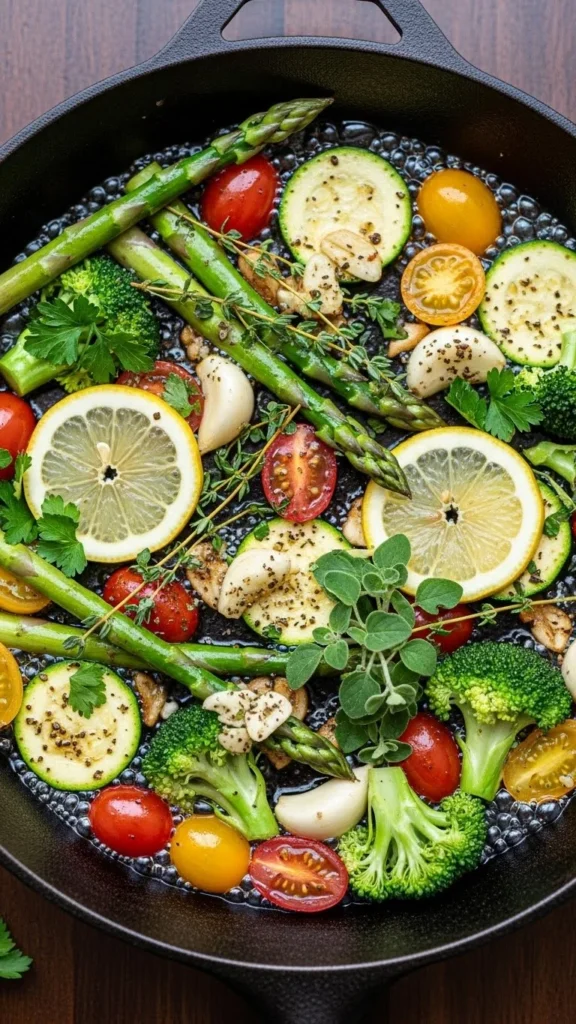
Use this simple formula to create filling, low-calorie meals every time:
1. High Volume (50–60% of your plate)
Veggies, greens, soups, salads, stir-fries.
2. Lean Protein (20–30%)
This is what keeps hunger away the longest.
3. Slow Carbs or Healthy Fats (10–20%)
Choose one:
- Brown rice
- Quinoa
- Whole wheat pasta
- Beans
- Avocado
- Olive oil
Example meal:
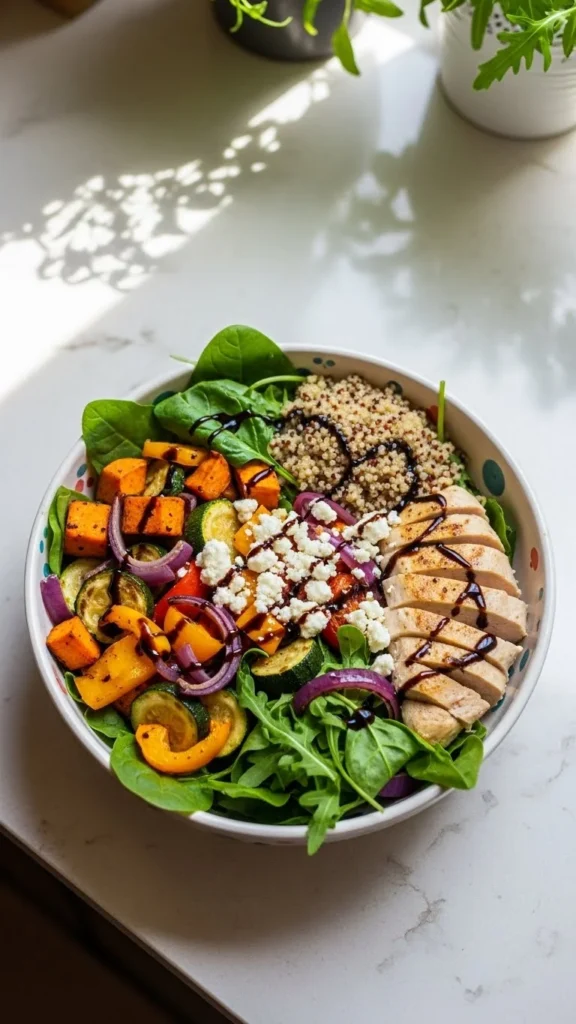
Grilled chicken + roasted veggies + a small serving of quinoa + lemon garlic dressing.
It’s low calorie, balanced, and surprisingly filling.
6. Try Low-Calorie Cooking Techniques
Some cooking methods naturally reduce calories without reducing happiness:
- Grilling – Adds flavor without added fats
- Roasting – Makes veggies sweet and satisfying
- Air frying – Crispy textures with minimal oil
- Steaming – Keeps nutrients and volume high
- Stir-frying – Quick and flavorful with little oil
These techniques help you create meals that taste indulgent but aren’t heavy.
7. Smart Swaps That Cut Calories Without Cutting Portions
Instead of eating less food, swap ingredients to naturally lower calories and keep portions big.
Try these easy swaps:
- Use Greek yogurt instead of mayo or cream.
- Swap zucchini noodles for regular pasta.
- Use cauliflower rice instead of white rice.
- Replace cream-based sauces with tomato or herb-based ones.
- Go for lean meat instead of high-fat cuts.
Your meal will feel just as satisfying—only lighter.
8. Meal Ideas That Are Low-Calorie AND Filling
Here are some easy ideas to get started:
Veggie-Packed Chicken Salad
Greens + chicken + cucumber + tomatoes + lemon dressing.
Lentil and Vegetable Soup
Full of fiber, protein, and volume.
Veggie Omelet
Eggs + spinach + mushrooms + herbs.
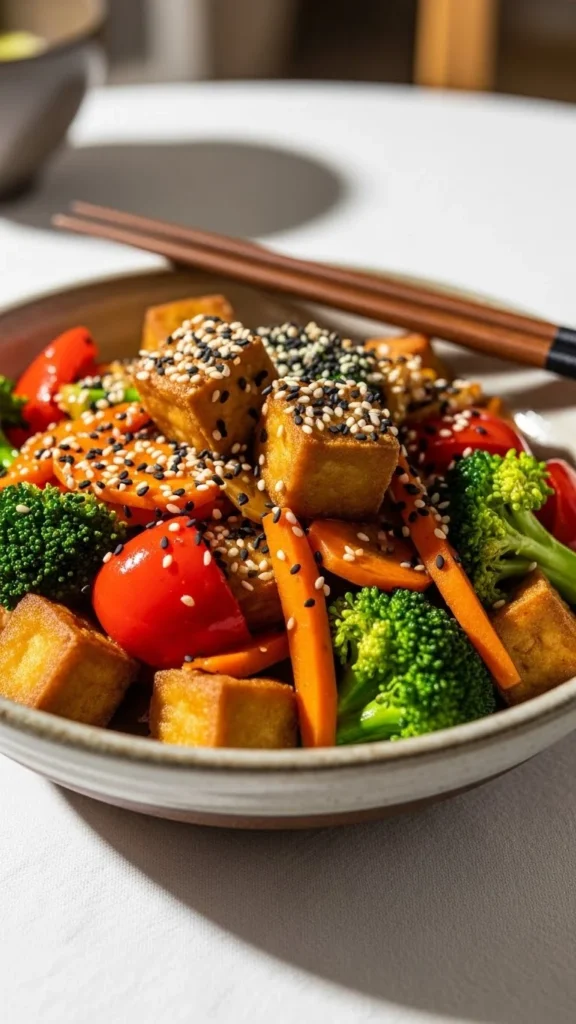
Veggie Stir-Fry with Tofu
Light, colorful, and rich in protein.
9. Tips to Avoid Feeling Hungry Even on Low Calories
- Add a cup of broth-based soup before your meal.
- Drink water consistently throughout the day.
- Eat slowly so your brain catches up.
- Don’t skip protein—seriously.
- Include high-fiber veggies in every meal.
- Add spices to make meals exciting.
These tiny tweaks make a huge difference.
Final Takeaway
Eating low-calorie doesn’t mean eating tiny portions—or feeling hungry all day. With the right ingredients, cooking methods, and simple meal-building strategy, you can enjoy delicious, filling meals that keep you satisfied and energized.
Save this guide for later so you always know how to cook low-calorie meals without feeling hungry!

Leave a Reply