

There’s something magical about Italian food—simple ingredients, slow cooking, and flavors that feel like a warm hug. The best Italian meals aren’t complicated. They’re built on tradition, patience, and recipes passed down through generations. If you’ve ever wanted to cook like an Italian nonna, this guide will bring those cozy, rustic flavors straight into your kitchen.
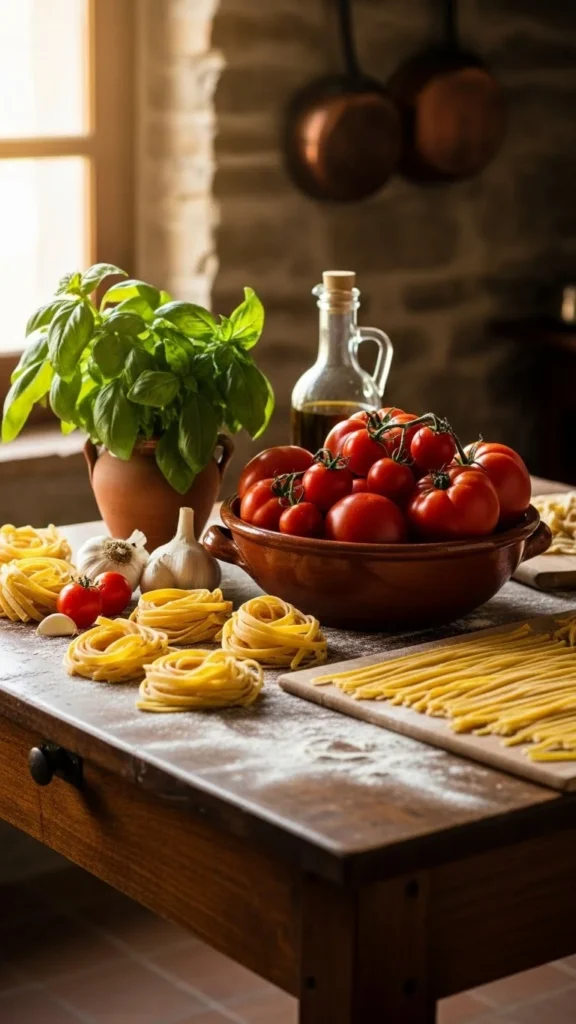
Let’s dive into the comforting world of Italian home cooking.
Start With Fresh, High-Quality Ingredients
Italian grandmas don’t rely on tons of seasonings—they rely on good ingredients. Freshness, ripeness, and simplicity matter more than anything.
Must-have staples:
- Extra-virgin olive oil (the base of almost everything)
- Fresh tomatoes or canned San Marzano
- Garlic & onions for aroma
- Fresh basil & parsley
- Parmesan or Pecorino cheese
- Quality pasta (bronze-cut if possible)
- Sea salt & black pepper
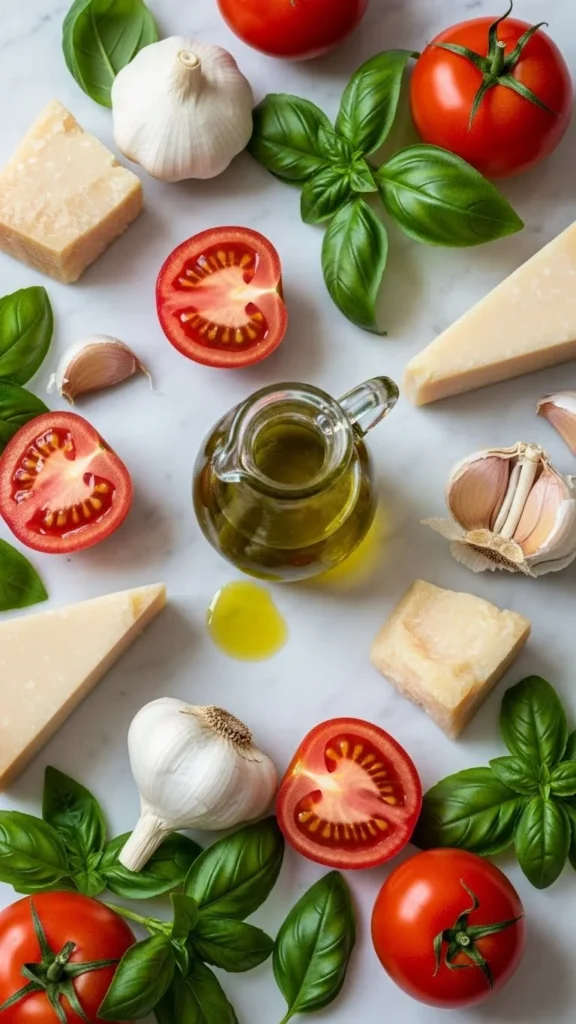
When your ingredients are good, you don’t need much else to create rich, comforting meals.
Respect the Holy Trinity of Flavor
Most Italian dishes begin with a simple base called soffritto—a mix of diced onion, carrot, and celery cooked in olive oil. It’s the heart of stews, sauces, and soups.
How to make it:
- Heat olive oil
- Add finely diced vegetables
- Cook slowly until soft and fragrant
This slow-cooking technique brings depth and sweetness without overpowering the dish.
Master Basic Sauces the Italian Way
A good sauce is where Italian comfort begins. The trick is slow cooking—not rushing.
Grandma-approved sauces:
1. Classic Marinara
- Tomatoes
- Garlic
- Olive oil
- Basil
- Pinch of salt
Simmer gently for 30–45 minutes.
2. Rich Bolognese
- Ground beef or beef + pork
- Soffritto base
- Tomatoes
- Red wine
- Milk
- Long, slow simmer
3. Creamy Alfredo
- Butter
- Parmesan
- Pasta water
- Black pepper
Minimal ingredients, maximum comfort.
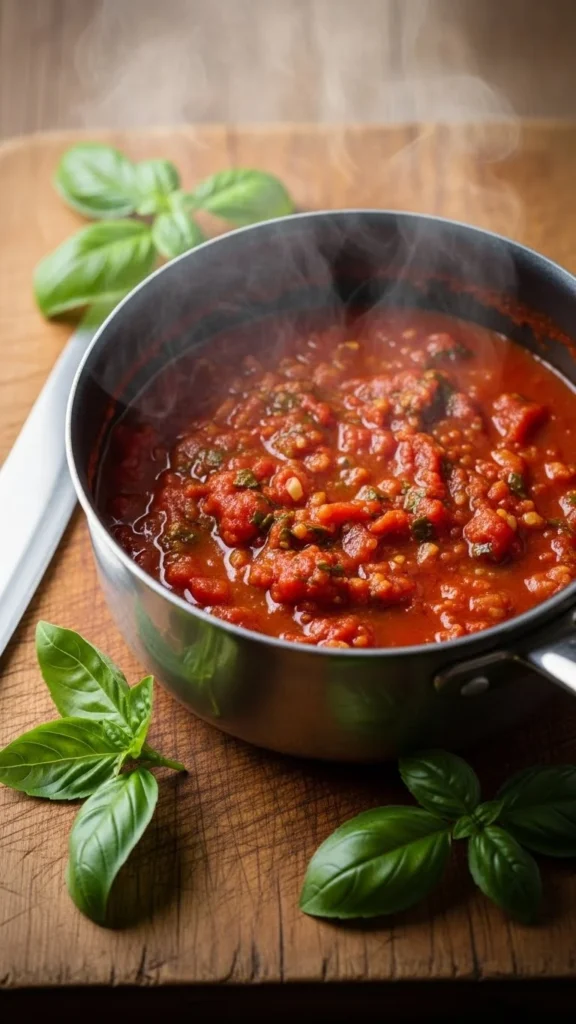
Take your time—Italian grandmas know that simmering builds flavor better than anything else.
Cook Pasta the Traditional Way
Italian pasta isn’t just boiled—it’s treated with respect.
Tips from nonna:
- Salt your water heavily (it should taste like the sea)
- Cook pasta until al dente, not soft
- Don’t rinse your pasta
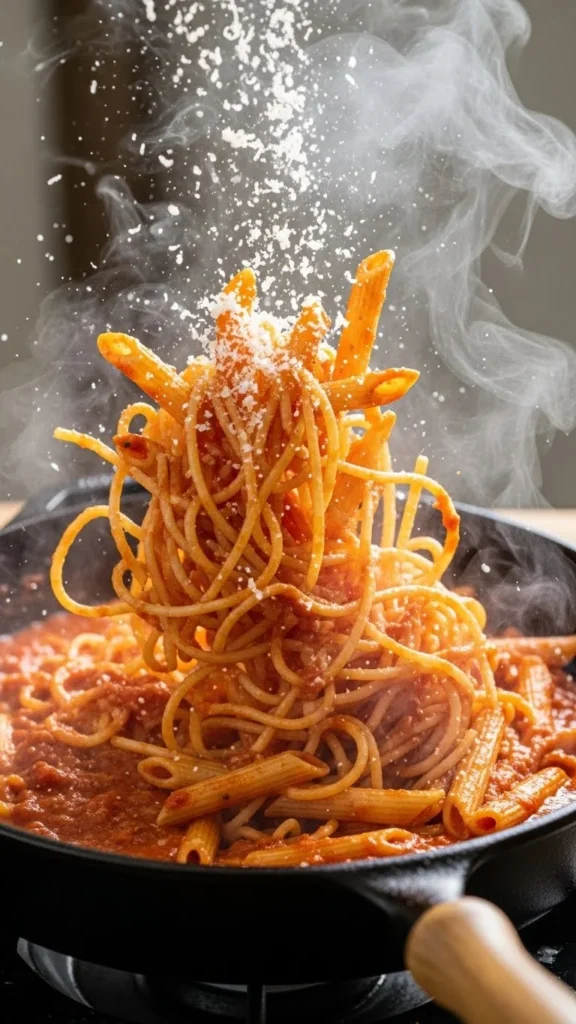
- Always finish cooking pasta in the sauce
- Add a splash of pasta water to help the sauce stick
This technique turns good pasta into unforgettable pasta.
Season Lightly but Thoughtfully
Italian dishes are seasoned simply:
- Salt
- Black pepper
- Fresh herbs
- Good olive oil
Instead of overpowering, seasoning enhances the natural flavors already present.
Try this:
Right before serving, drizzle a bit of extra-virgin olive oil on top. It adds richness and brings the whole dish together.
Add the Finishing Touches Grandma Swears By
Italian comfort food often ends with small details that make a big difference.
Classic finishing touches:
- Freshly grated Parmesan
- A handful of fresh basil
- Crusty bread on the side
- A squeeze of lemon for brightness (especially on chicken or fish dishes)
- Cracked black pepper
These little extras give your dish that comforting, rustic feel.
Create Iconic Italian Comfort Meals
Here are a few dishes that capture the soul of Italian home cooking:
- Lasagna al forno — layers of pasta, sauce, cheese, and love
- Spaghetti aglio e olio — garlic, olive oil, chili flakes
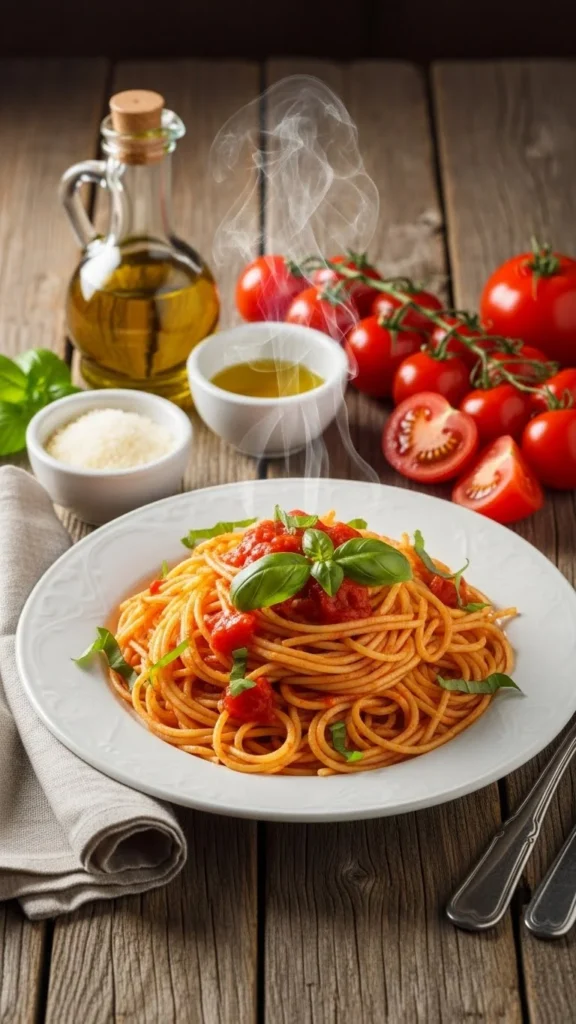
- Pasta al pomodoro — simple tomato pasta done right
- Chicken piccata — lemony, buttery, comforting
- Minestrone soup — hearty vegetables + beans
- Risotto — slow-stirred, creamy rice magic
Once you master these, you’ll be cooking like a nonna in no time.
Final Takeaway
Cooking Italian meals like grandma isn’t about perfection—it’s about heart. Use simple ingredients, cook slowly, finish with love, and enjoy every bite. Your kitchen will smell incredible, and your meals will feel like a warm embrace.
Save this guide for later — and start cooking the Italian way tonight!

Leave a Reply