

If you’ve ever tried making Asian food at home and wondered, “Why doesn’t mine taste like the restaurant version?” — you’re not alone. Authentic Asian flavor comes from a mix of the right ingredients, balanced seasoning, proper cooking methods, and a little bit of cultural understanding. The good news? You can recreate those bold, comforting, fragrant flavors right in your kitchen with just a few simple techniques.
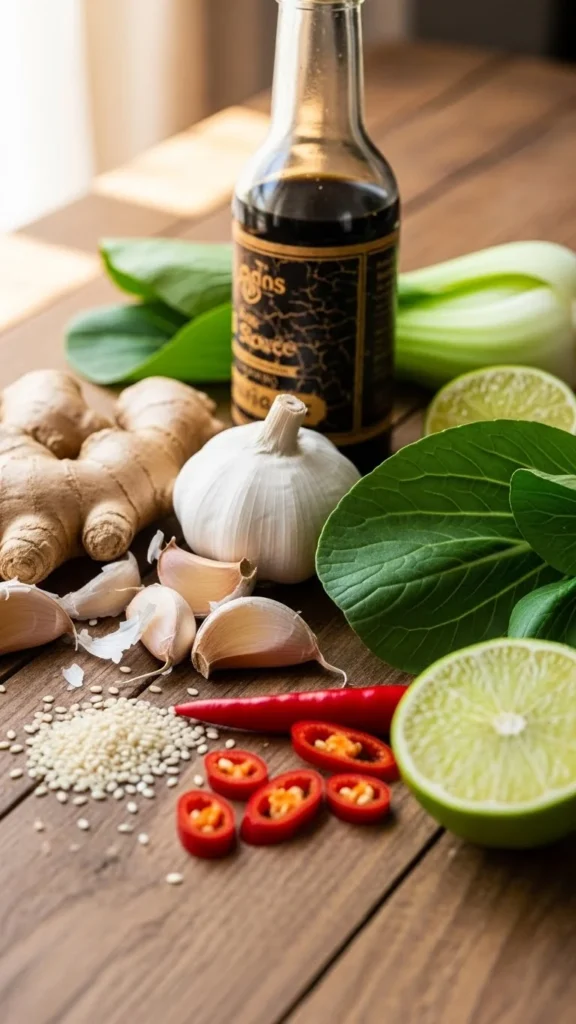
Let’s break things down step-by-step so you can confidently cook Asian dishes that taste rich, real, and restaurant-worthy.
Use the Right Base Ingredients
Authenticity always starts with the basics. Asian cooking uses staples that build depth and aroma.
Essential pantry items include:
- Soy sauce: Adds salty umami depth
- Rice vinegar: Gives light acidity
- Sesame oil: Nutty, aromatic finishing oil
- Fish sauce: Salty, funky, flavor booster
- Oyster sauce: Sweet, savory richness
- Ginger & garlic: Fragrance + warmth
- Chili paste: Heat and color
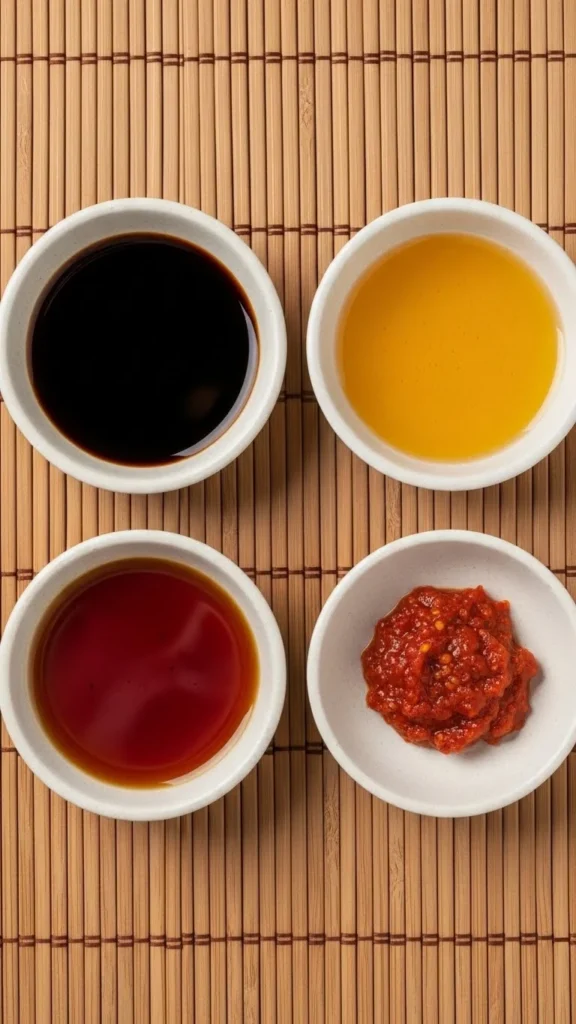
These few ingredients alone can transform simple chicken, noodles, or veggies into a bold, flavorful meal.
Balance the Five Key Flavors
Asian dishes rely on harmony. Instead of one flavor dominating, you balance:
- Salty — soy sauce, fish sauce
- Sweet — sugar, honey, mirin
- Sour — rice vinegar, lime juice
- Spicy — chili oil, fresh chilies
- Umami — mushrooms, miso, oyster sauce
The secret is to taste as you go. Once you understand how each flavor behaves, adjusting a dish becomes easy.
Try this simple method:
- Start with salty + umami (soy sauce or oyster sauce)
- Add a touch of sweet to round it out
- Add acid for brightness
- Add spice for kick
- Adjust until it “feels right” on the tongue
This exact technique is used in stir-fries, soups, sauces, and noodle dishes across Asia.
Prep Ingredients the Traditional Way
In Asian cooking, prep time is often longer than cooking time. That’s intentional — and essential.
Key prep habits:
- Slice vegetables thinly for quick cooking
- Cut meat against the grain for tenderness
- Mince garlic and ginger fresh (don’t use bottled!)
- Measure sauces beforehand to avoid overcooking

Once your ingredients are ready, the actual cooking becomes fast, easy, and satisfying.
Master Heat Control (Especially for Stir-Fries)
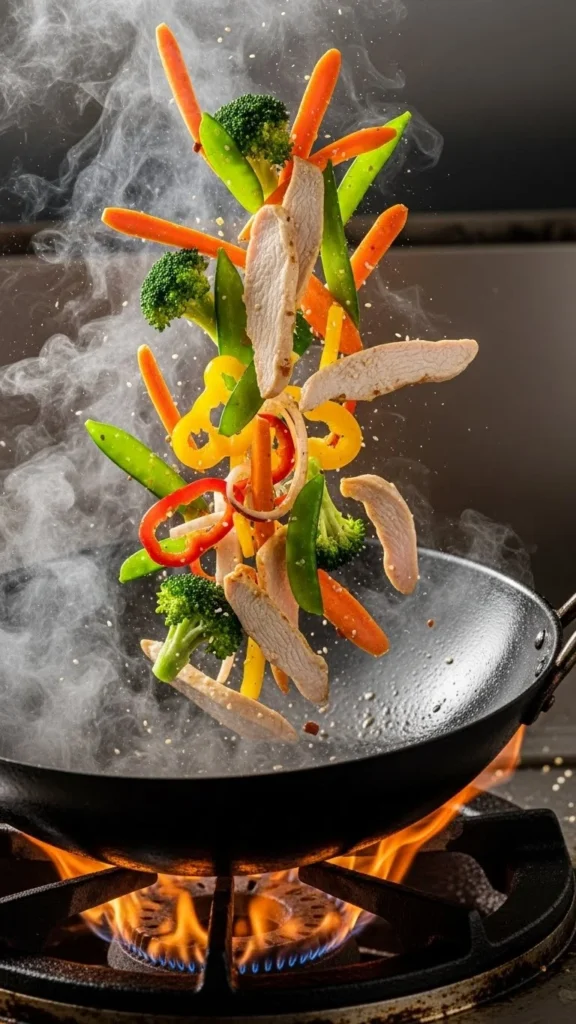
Asian cooking depends heavily on heat. Too low, and your dish becomes soggy. Too high, and it burns.
For authentic results:
- Preheat your pan before adding oil
- Use high heat for quick cooking
- Keep ingredients moving (toss or stir constantly)
- Cook aromatics first for fragrance
- Add sauces last so they don’t evaporate
Woks help, but a large pan works just fine as long as it gets hot enough.
Use Fresh Herbs and Garnishes
Asian dishes often get their final “authentic boost” from toppings.
Add-ons that make a big difference:
- Fresh cilantro
- Green onions
- Crushed peanuts
- Lime wedges
- Chili flakes or chili oil
- Toasted sesame seeds
These ingredients add brightness, crunch, fragrance, and color—everything you see in restaurant dishes.
Cook Signature Dishes to Practice Flavor Balance
Here are a few beginner-friendly dishes that naturally teach you how to balance Asian flavors:
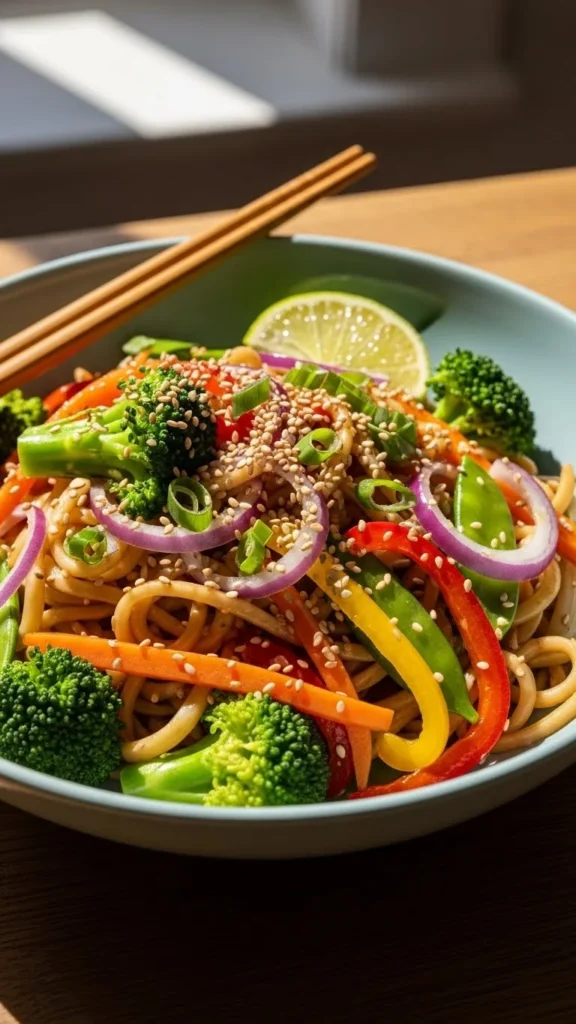
- Stir-fried noodles (soy sauce + sesame + garlic + veggies)
- Thai basil chicken (spicy + salty + sweet)
- Fried rice (umami + aromatics)
- Ramen broth (deep umami + fat + aromatics)
- Sweet & sour chicken (classic sweet + acidic contrast)
Each dish helps you understand one aspect of authentic Asian cooking.
Taste, Adjust, and Don’t Be Afraid of Experimenting
Authentic doesn’t mean complicated. It just means thoughtful. Keep experimenting with balances of soy, chili, vinegar, and sesame until the flavors “click.” Soon, you’ll develop an instinct — the same way professional cooks do.
Final Takeaway
Cooking authentic-tasting Asian food at home is totally achievable. Stock the right ingredients, balance the key flavors, prep intentionally, and follow heat-based techniques. With a little practice, you’ll be making dishes that rival your favorite takeout.
Save this guide for later — your future dinners will thank you!

Leave a Reply